What Can a Virtual Receptionist Handle for a Dental Practice?
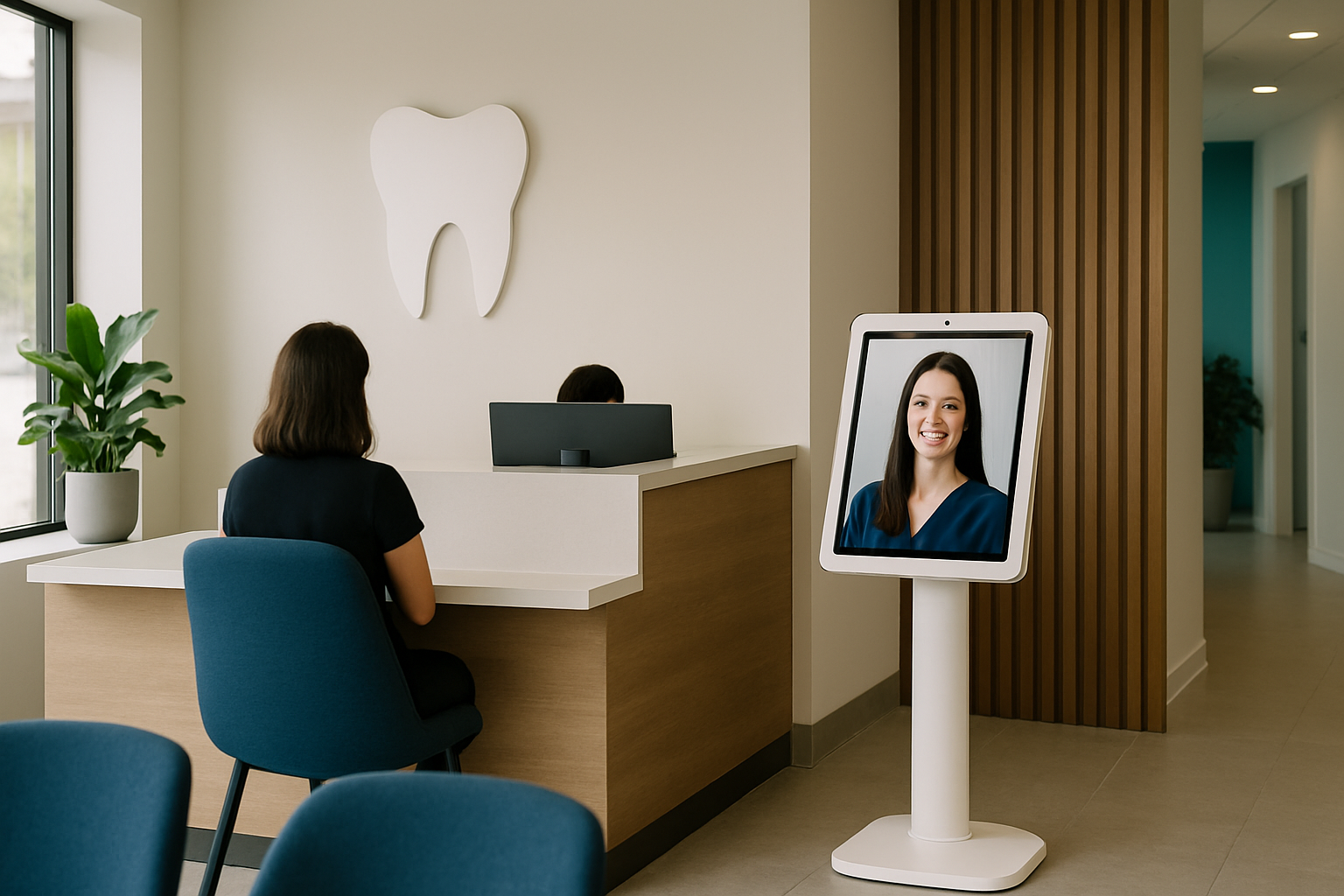
In the fast-paced world of dental care, efficiency and effective communication are crucial. Dental practices are increasingly turning to technology to streamline operations and enhance patient experience. One such technological advancement is the virtual receptionist. But what exactly can a virtual receptionist handle for a dental practice? This article explores the capabilities of virtual receptionists, specifically focusing on AI-powered solutions like those offered by AssistFlow.
Understanding the Role of a Virtual Receptionist
A virtual receptionist is an AI-powered system designed to manage various front-office tasks traditionally handled by human receptionists. In a dental practice, these tasks can range from appointment scheduling to handling patient inquiries. With advancements in AI technology, virtual receptionists can now perform these functions with high efficiency and accuracy, allowing dental staff to focus more on patient care.
Appointment Scheduling and Reminders
One of the primary functions of a virtual receptionist is managing appointments. By integrating with the practice's scheduling software, a virtual receptionist can handle booking, rescheduling, and sending reminders to patients. This not only reduces no-shows but also optimizes the practice's schedule, ensuring that the staff can attend to as many patients as possible.
Handling Patient Inquiries
Patients often have questions regarding treatments, insurance, and billing. A virtual receptionist can provide instant responses to these inquiries, either through voice or text, depending on the patient's preference. This capability ensures that patients receive timely information, enhancing their experience and satisfaction with the practice.
Patient Data Management
Virtual receptionists can also assist in managing patient data. By securely accessing and updating patient records, they ensure that the information is accurate and up-to-date. This feature is particularly useful for practices that handle a large volume of patients and need to maintain efficient data management systems.
What to Look for in a Virtual Receptionist
When selecting a virtual receptionist for your dental practice, consider the following features:
- Integration Capabilities: Ensure that the system can seamlessly integrate with your existing software and hardware.
- Customizability: Look for solutions that allow you to tailor the AI's responses and actions to suit your specific practice needs.
- Language Support: If your practice serves a diverse patient base, ensure the virtual receptionist supports multiple languages.
- Data Security: Given the sensitivity of patient data, the system must comply with healthcare regulations and ensure data protection.
Where AssistFlow Fits
AssistFlow offers a comprehensive solution for dental practices through its MetaHuman and digital human technologies. These AI-powered receptionists are designed to handle a variety of tasks, from appointment scheduling to patient inquiries, with a high level of accuracy and efficiency. With support for over 150 languages and integration with multiple channels, AssistFlow ensures that dental practices can provide seamless and effective communication with their patients.
For more information on how AssistFlow can enhance your dental practice, visit the MetaHuman Connect page.
Steps to Implement a Virtual Receptionist in a Dental Practice
Implementing a virtual receptionist in a dental practice involves several key steps to ensure a smooth transition and effective utilization of the technology. By following these steps, dental practices can maximize the benefits of a virtual receptionist while minimizing disruptions.
- Assessment of Needs: Begin by evaluating the specific needs of your dental practice. Identify the tasks that a virtual receptionist can handle, such as appointment scheduling, patient inquiries, and data management. Understanding these requirements will guide the selection of the right solution.
- Research and Selection: Once the needs are clear, research available virtual receptionist solutions. Consider factors such as integration capabilities, customizability, language support, and data security. A solution like AssistFlow can be an excellent choice due to its comprehensive features tailored for dental practices.
- Integration Planning: Plan how the virtual receptionist will integrate with existing systems. This includes ensuring compatibility with scheduling software and patient management systems. A well-planned integration minimizes operational disruptions.
- Staff Training: Train staff on how to interact with the virtual receptionist system. This includes understanding its capabilities, troubleshooting common issues, and knowing when to escalate tasks to human staff. Proper training ensures a seamless experience for both staff and patients.
- Testing and Feedback: Before fully deploying the system, conduct a testing phase. Gather feedback from staff and patients to identify any areas for improvement. This step is crucial for refining the system to better meet the practice's needs.
- Full Implementation: After successful testing and adjustments, proceed with the full implementation of the virtual receptionist. Monitor its performance regularly and continue to gather feedback for ongoing improvements.
By following these steps, a dental practice can effectively implement a virtual receptionist, enhancing efficiency and patient satisfaction.
Common Mistakes to Avoid When Implementing a Virtual Receptionist
While virtual receptionists offer numerous advantages, there are common pitfalls that dental practices should avoid to ensure a successful implementation. Understanding these mistakes can help practices make the most of their investment.
- Inadequate Needs Assessment: Failing to thoroughly assess the practice's needs can lead to selecting a system that doesn't fully address the practice's requirements. This can result in underutilization of the virtual receptionist's capabilities.
- Overlooking Integration: Not ensuring seamless integration with existing systems can lead to operational inefficiencies. It's crucial to verify that the virtual receptionist can work smoothly with current software and hardware to avoid workflow disruptions.
- Insufficient Staff Training: Without proper training, staff may struggle to interact with the virtual receptionist, leading to frustration and decreased efficiency. Comprehensive training is essential for a smooth transition.
- Neglecting Patient Communication: Failing to inform patients about the new system can cause confusion and dissatisfaction. Clear communication about how the virtual receptionist will improve their experience is vital.
- Ignoring Feedback: Not gathering or acting on feedback from staff and patients can result in missed opportunities for improvement. Regularly seeking and addressing feedback ensures the system continues to meet the practice's needs effectively.
By avoiding these common mistakes, dental practices can ensure a successful implementation of a virtual receptionist, leading to enhanced operational efficiency and patient satisfaction.
FAQ
How does a virtual receptionist improve patient satisfaction?
A virtual receptionist improves patient satisfaction by providing timely responses to inquiries, reducing wait times for appointment scheduling, and ensuring accurate information is readily available.
Can a virtual receptionist handle emergency calls?
While virtual receptionists can manage routine inquiries and appointments, emergency calls are typically routed to human staff to ensure proper handling and care.
What are the cost benefits of using a virtual receptionist?
Using a virtual receptionist can reduce staffing costs, minimize appointment no-shows, and improve operational efficiency, leading to overall cost savings for the practice.
Is patient data secure with a virtual receptionist?
Yes, reputable virtual receptionist systems like AssistFlow ensure data security by complying with healthcare regulations and employing robust data protection measures.
How quickly can a dental practice implement a virtual receptionist?
The implementation time varies depending on the practice's existing infrastructure, but systems like AssistFlow are designed for seamless integration, minimizing setup time.
Incorporating a virtual receptionist into your dental practice can significantly enhance operational efficiency and patient satisfaction. To explore how AssistFlow can help your practice, learn more about our dental clinic AI solutions.