Retail Voice Assistant: No-Code Workflow and CRM Integration
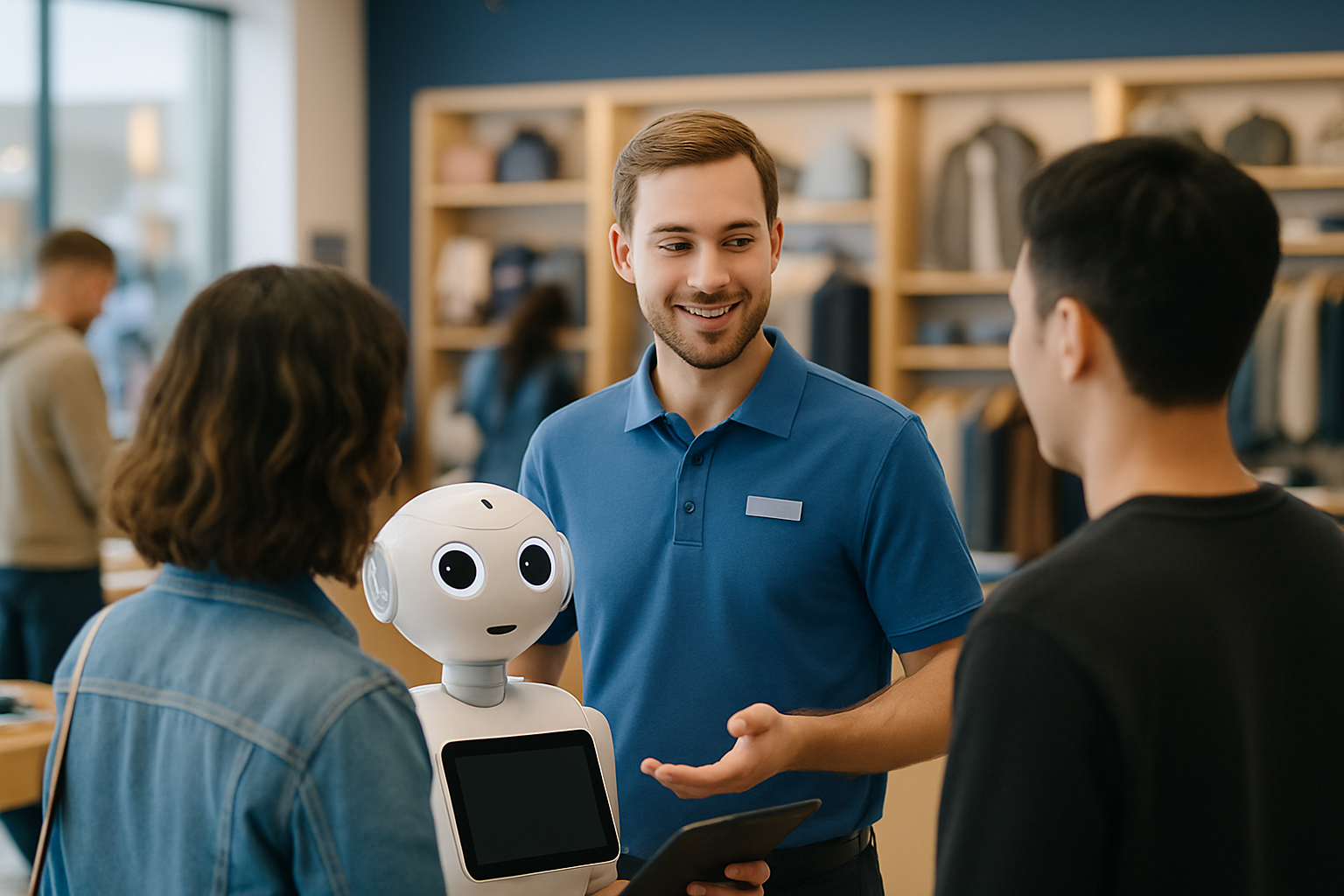
In today's competitive retail landscape, businesses are constantly seeking innovative solutions to enhance customer engagement and streamline operations. One such advancement is the integration of retail voice assistants with no-code workflow capabilities and CRM systems. This technology not only improves customer interactions but also simplifies backend processes, making it an attractive option for retail managers and store owners.
Voice assistants in retail are designed to interact with customers in a natural and intuitive manner. They can handle inquiries, provide product information, and assist with transactions, all while seamlessly integrating with existing CRM systems. The no-code aspect allows businesses to customize workflows without the need for extensive programming knowledge, enabling quick adaptation to changing business needs.
What to Look for in Retail AI and Voice AI
When considering the implementation of a retail voice assistant, it's crucial to evaluate the capabilities of Retail AI and Voice AI technologies. These systems should offer robust natural language processing to understand and respond to a wide range of customer inquiries. Additionally, integration with CRM systems is essential for maintaining a unified view of customer interactions across channels.
Another important factor is the ease of use. No-code platforms empower retail managers to create and modify workflows without technical expertise, ensuring that the system can evolve with the business. Look for solutions that offer comprehensive support for multiple languages and channels to cater to a diverse customer base.
The Role of No-Code Workflows in Retail
No-code workflows revolutionize the way retail businesses manage operations. By allowing non-technical staff to design and modify processes, these platforms reduce dependency on IT resources and accelerate the deployment of new features. This flexibility is particularly beneficial in the fast-paced retail environment, where agility is key to staying competitive.
No-code solutions also facilitate the integration of voice assistants with CRM systems, ensuring that customer data is accurately captured and utilized. This integration enables personalized interactions, enhancing customer satisfaction and loyalty.
CRM Integration: Enhancing Customer Engagement
Integrating voice assistants with CRM systems is a game-changer for customer engagement in retail. This integration provides a holistic view of customer interactions, allowing businesses to deliver personalized experiences. By leveraging CRM data, voice assistants can tailor responses based on previous interactions, purchase history, and customer preferences.
Moreover, CRM integration streamlines backend processes, such as inventory management and order processing, by automating routine tasks. This efficiency frees up staff to focus on more strategic activities, ultimately improving the overall customer experience.
Where AssistFlow Fits
AssistFlow offers a comprehensive solution for retail environments, combining Retail AI and Voice AI capabilities. With its omnichannel AI employee platform, AssistFlow supports seamless integration with CRM systems, enhancing customer engagement across channels. The no-code platform empowers businesses to customize workflows effortlessly, ensuring agility and adaptability.
For more information on how AssistFlow can transform your retail operations, visit the Retail AI page or explore the Voice AI Assistant offerings.
Concrete Implementation Steps for Retail Voice Assistants
Implementing a retail voice assistant with no-code workflow and CRM integration requires a strategic approach to ensure seamless deployment and maximum benefits. Here are some concrete steps to guide you through the process:
- Define Objectives: Begin by clearly defining the goals you wish to achieve with the voice assistant. This could include improving customer engagement, streamlining operations, or enhancing data collection processes.
- Evaluate Existing Systems: Assess your current CRM and other backend systems to understand how the voice assistant will integrate with them. Ensure that your CRM is capable of supporting the additional data and interactions generated by the voice assistant.
- Select the Right Platform: Choose a no-code platform that offers flexibility and ease of use. Ensure it supports integration with your existing CRM and other systems, and verify that it can handle the specific workflows your business requires.
- Design Workflows: Use the no-code platform to design workflows that align with your business objectives. This includes setting up automated responses for common customer queries, integrating inventory checks, and creating personalized interaction scripts based on CRM data.
- Test and Iterate: Conduct thorough testing of the voice assistant in a controlled environment to identify any issues. Use feedback from these tests to refine workflows and improve the assistant's performance.
- Train Staff: Educate your staff on how to interact with the voice assistant and leverage its capabilities. Ensure they understand the importance of accurate data entry in the CRM to maximize the assistant's effectiveness.
- Monitor and Optimize: After deployment, continuously monitor the voice assistant's performance and user interactions. Use analytics to identify areas for improvement and optimize workflows to enhance efficiency and customer satisfaction.
By following these steps, retailers can effectively implement a voice assistant that not only meets their current needs but is also adaptable to future business changes.
Trade-Offs and Mistakes to Avoid in Retail Voice Assistant Deployment
While the integration of voice assistants in retail presents numerous advantages, there are trade-offs and common mistakes that businesses should be aware of to optimize their implementation.
Trade-Offs: One of the primary trade-offs involves balancing automation with the need for personal human interaction. While voice assistants can handle routine inquiries and transactions efficiently, they may not replace the nuanced understanding a human can provide, especially in complex or sensitive customer service scenarios. Retailers must decide which tasks are best suited for automation and which require human intervention.
Another trade-off is the initial investment in technology and training versus long-term benefits. While the upfront costs and time investment in setting up a voice assistant can be significant, the long-term gains in efficiency and customer satisfaction often justify these initial resources.
Mistakes to Avoid: A common mistake is underestimating the importance of data quality in CRM systems. Inaccurate or incomplete data can lead to poor customer interactions and reduced trust in the voice assistant's capabilities. Ensuring that CRM data is up-to-date and accurate is crucial for the success of the voice assistant.
Another mistake is neglecting to regularly update and optimize workflows. The retail environment is constantly evolving, and voice assistant workflows must be regularly reviewed and adjusted to meet changing business needs and customer expectations.
Finally, failing to adequately train staff on how to use and support the voice assistant can lead to underutilization and missed opportunities for enhancing customer engagement. Staff should be well-versed in the capabilities of the voice assistant and how to troubleshoot common issues.
By understanding these trade-offs and avoiding common pitfalls, retailers can successfully deploy voice assistants that enhance customer engagement and streamline operations.
FAQ
What is a retail voice assistant?
A retail voice assistant is an AI-driven tool designed to interact with customers using natural language. It assists with inquiries, provides product information, and facilitates transactions, enhancing the customer experience in retail settings.
How does no-code workflow benefit retail businesses?
No-code workflows allow retail businesses to design and modify processes without technical expertise. This flexibility enables quick adaptation to market changes and reduces reliance on IT resources, making operations more agile and efficient.
Why is CRM integration important for voice assistants?
CRM integration is crucial for voice assistants as it provides a unified view of customer interactions. This integration enables personalized interactions, improves data accuracy, and streamlines backend processes, enhancing overall customer engagement.
Can AssistFlow integrate with my existing CRM system?
Yes, AssistFlow's platform is designed to integrate seamlessly with existing CRM systems, ensuring that customer data is accurately captured and utilized across all interactions, enhancing the overall customer experience.
What languages does AssistFlow support?
AssistFlow supports over 150 languages, making it a versatile solution for businesses operating in diverse markets. This extensive language support ensures effective communication with a wide range of customers.
In conclusion, the integration of retail voice assistants with no-code workflow and CRM systems offers significant advantages for retail businesses. By enhancing customer engagement and streamlining operations, these technologies empower retailers to stay competitive in a dynamic market. To explore how AssistFlow can support your retail operations, contact us today.