What is a Holobox AI Kiosk for In-Store Try-On?
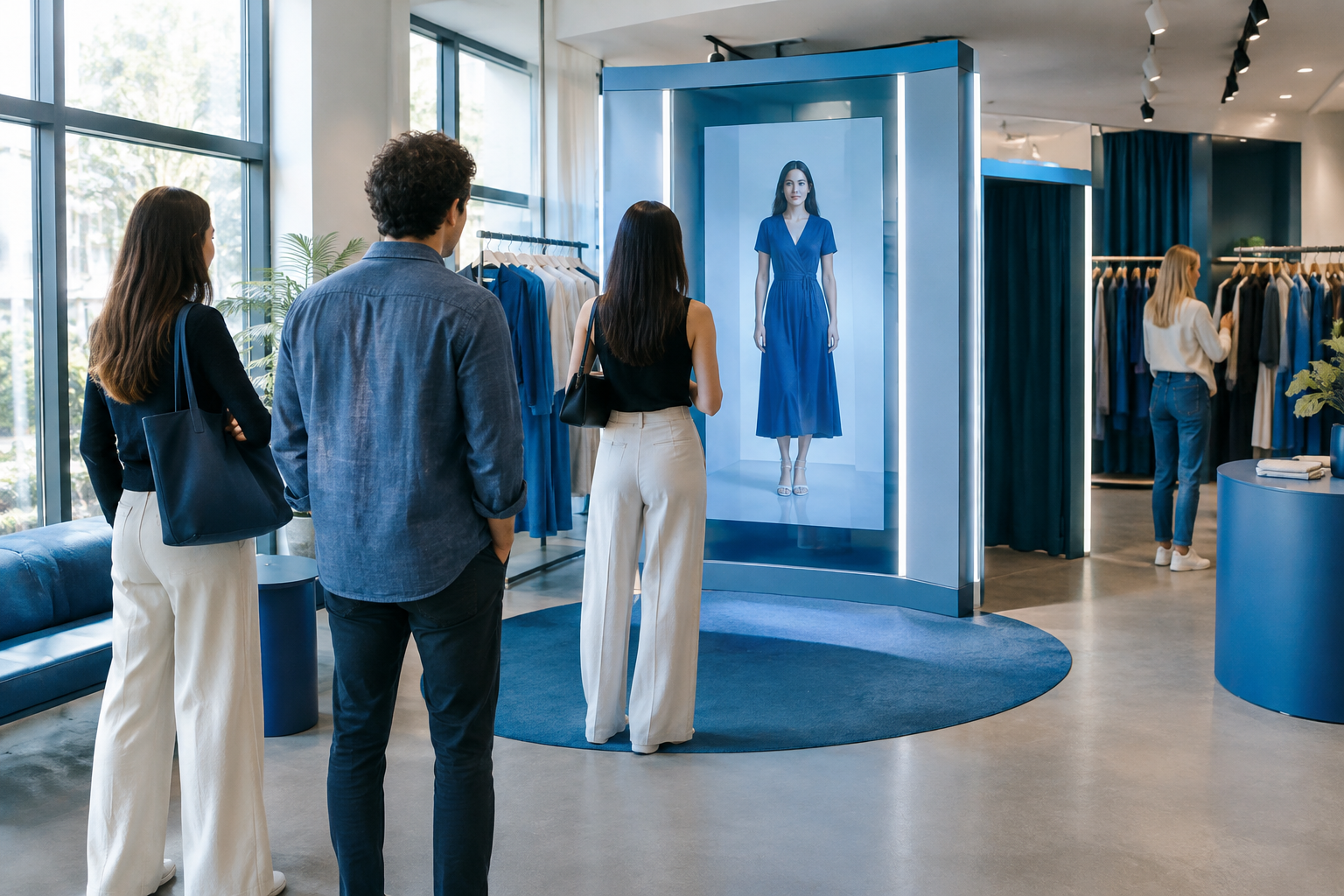
In today's competitive retail landscape, creating an engaging and memorable customer experience is crucial. One innovative solution that is gaining traction is the Holobox AI kiosk, a technology that blends artificial intelligence with holographic displays to offer an interactive in-store try-on experience. This technology is not only transforming retail but is also finding applications in hotels and healthcare settings, enhancing customer engagement and satisfaction.
The Holobox AI kiosk uses advanced hologram AI to create lifelike 3D images that customers can interact with. This allows retailers to offer virtual try-ons of clothing, accessories, and other products, providing a unique and immersive shopping experience. By leveraging AI holograms, businesses can reduce the need for physical inventory, streamline the shopping process, and offer personalized recommendations based on customer preferences.
What to Look for in a Holobox AI Kiosk
When considering a Holobox AI kiosk for your business, there are several key features to look for:
- Realistic Holographic Displays: The quality of the holographic display is paramount. Look for kiosks that offer high-resolution, lifelike images that can engage customers effectively.
- AI Integration: Ensure the kiosk is equipped with robust AI capabilities to provide personalized recommendations and enhance the customer experience.
- Ease of Use: The kiosk should be user-friendly, with intuitive interfaces that customers can easily navigate.
- Scalability: Choose a solution that can grow with your business, offering flexibility in terms of features and integrations.
Applications of Holobox AI Kiosks
Retail
In retail, Holobox AI kiosks are revolutionizing the way customers interact with products. By providing virtual try-ons, retailers can offer a broader range of products without needing physical stock. This not only reduces overhead costs but also enhances the shopping experience by allowing customers to visualize products in a realistic manner.
Hotels
In the hospitality industry, Holobox AI kiosks can enhance guest experiences by offering virtual tours of hotel rooms and amenities. This technology can also be used for personalized concierge services, where guests can interact with AI avatars to get recommendations and make reservations.
Healthcare
In healthcare, Holobox AI kiosks can be used for patient education and engagement. Holographic displays can illustrate complex medical procedures or provide virtual consultations, making healthcare more accessible and understandable for patients.
Where AssistFlow Fits
AssistFlow provides a comprehensive solution with its HoloBox product, designed to enhance customer engagement across various industries. The HoloBox by AssistFlow integrates seamlessly with existing systems, offering a scalable and flexible solution for businesses looking to innovate their customer interactions. For more detailed information, you can explore the MetaHuman Holobox Kiosk coverage.
Setting Up a Holobox AI Kiosk
Implementing a Holobox AI kiosk involves several steps:
- Assessment: Evaluate your business needs and determine how a Holobox AI kiosk can address them.
- Integration: Ensure the kiosk can integrate with your existing systems for seamless operation.
- Customization: Customize the kiosk to align with your brand and customer preferences.
- Training: Provide training for staff to ensure they can assist customers effectively.
- Maintenance: Regular maintenance is essential to keep the kiosk functioning optimally.
Benefits of Using Holobox AI Kiosks
Holobox AI kiosks offer numerous benefits, including:
- Enhanced Customer Engagement: Interactive holograms capture customer attention and provide a memorable experience.
- Cost Efficiency: Reduces the need for physical inventory and floor space.
- Personalization: AI-driven recommendations enhance the shopping experience by tailoring suggestions to individual preferences.
- Innovation: Positions your business as a leader in adopting cutting-edge technology.
Trade-offs and Mistakes to Avoid When Implementing Holobox AI Kiosks
Implementing a Holobox AI kiosk can transform customer interactions, but it is crucial to navigate potential trade-offs and avoid common mistakes to maximize its benefits. One primary consideration is the balance between technology investment and return on investment. While the initial cost of setting up a Holobox AI kiosk might be significant, businesses should focus on the long-term gains such as enhanced customer experience and reduced inventory costs. Ensuring that the technology aligns with business objectives is vital for success.
A common mistake businesses make is underestimating the importance of system integration. The kiosk should seamlessly connect with existing infrastructure to avoid operational disruptions. Ensuring compatibility with current systems and processes is essential for smooth implementation. Additionally, neglecting staff training can lead to underutilization of the kiosk's features. Employees need to be well-versed in assisting customers with the technology to fully leverage its capabilities.
Another trade-off involves customization versus standardization. While customizing the kiosk to reflect brand identity can enhance customer engagement, it can also complicate updates and maintenance. Businesses should find a balance that allows for brand representation while maintaining ease of use and functionality. Lastly, regular maintenance is often overlooked. Consistent updates and checks are necessary to ensure the kiosk remains functional and continues to provide high-quality holographic displays.
A Hypothetical Implementation Scenario for a Retail Store
Imagine a mid-sized clothing retailer looking to implement a Holobox AI kiosk to enhance their in-store experience. The retailer begins by assessing their customer base and identifying the most popular product categories that could benefit from virtual try-ons. They decide to focus on accessories and outerwear, as these items often require physical trials to appreciate their fit and style.
The retailer collaborates with a Holobox vendor to customize the kiosk interface, ensuring it aligns with their brand aesthetics and offers a user-friendly experience. They integrate the kiosk with their inventory management system to provide real-time updates on product availability and personalized recommendations based on customer interactions.
To prepare for the launch, the retailer conducts comprehensive training sessions for their staff, focusing on how to assist customers effectively and troubleshoot common issues. They also plan a marketing campaign to introduce the new technology to their customer base, highlighting the benefits of virtual try-ons and the convenience it offers.
Upon implementation, the retailer monitors customer feedback and engagement levels, using these insights to make iterative improvements. They regularly schedule maintenance checks to ensure the kiosk operates smoothly and continues to provide high-quality holographic displays. Over time, the retailer observes an increase in customer satisfaction and a reduction in return rates, validating their investment in the Holobox AI kiosk.
FAQ
What is a Holobox AI kiosk?
A Holobox AI kiosk is an interactive display system that uses hologram AI to create 3D images for virtual try-ons and customer interaction. It enhances the shopping experience by providing lifelike product visualizations and personalized recommendations.
How does a Holobox AI kiosk work in retail?
In retail, a Holobox AI kiosk allows customers to virtually try on products, such as clothing and accessories, using holographic displays. This technology reduces the need for physical inventory and provides a unique shopping experience.
Can Holobox AI kiosks be used in industries other than retail?
Yes, Holobox AI kiosks are versatile and can be used in various industries, including hotels for virtual tours and concierge services, and healthcare for patient education and virtual consultations.
What are the main advantages of using Holobox AI kiosks?
The main advantages include enhanced customer engagement through interactive displays, cost savings by reducing the need for physical inventory, and personalized recommendations that improve the overall customer experience.
How can I implement a Holobox AI kiosk in my business?
To implement a Holobox AI kiosk, assess your business needs, ensure system integration, customize the kiosk to fit your brand, train staff, and maintain the system regularly. AssistFlow offers comprehensive solutions to facilitate this process.
In conclusion, Holobox AI kiosks represent a significant advancement in customer engagement technology, offering innovative solutions across various industries. To explore how AssistFlow can assist you in implementing a Holobox AI kiosk, visit our HoloBox product page.