How to Hire an AI Employee for Customer Engagement Beyond Chat Demos
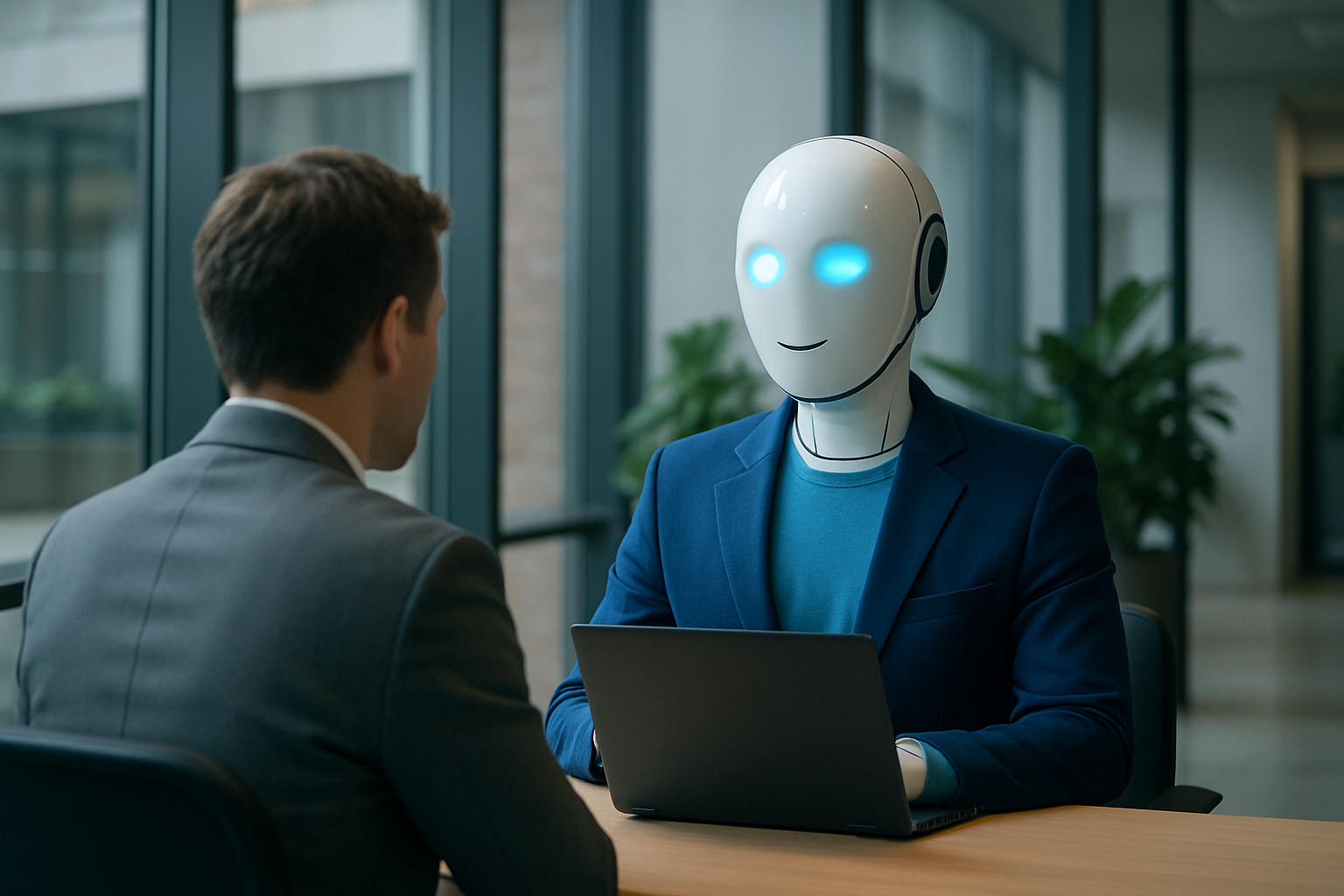
In today's digital landscape, businesses are increasingly looking to enhance their customer engagement strategies by hiring AI employees. Unlike traditional chat demos, these AI systems are designed to interact with customers across multiple channels and provide a seamless experience. But how exactly should a business go about hiring an AI employee that can effectively talk to customers?
The key lies in understanding the capabilities of AI customer service and selecting a platform that offers comprehensive solutions. This article will guide you through the process of hiring an AI employee that goes beyond mere chat functionality, focusing on how platforms like AssistFlow can meet your business needs.
Understanding AI Customer Service
AI customer service is more than just automated chat responses. It involves a sophisticated system that can handle inquiries, resolve issues, and engage with customers across various platforms. The goal is to provide a consistent and efficient customer experience that mimics human interaction as closely as possible. When considering an AI employee, businesses should look for features such as natural language processing, multi-channel integration, and the ability to learn from interactions.
Key Features of AI Customer Service
- Natural Language Processing (NLP): Enables the AI to understand and respond to customer queries in a conversational manner.
- Multi-Channel Integration: Allows the AI to interact with customers on platforms like websites, social media, and phone systems.
- Learning Capabilities: The AI should be able to learn from past interactions to improve future responses.
Steps to Hiring an AI Employee
When hiring an AI employee, businesses should follow a structured approach to ensure they select the right solution for their needs. Here are the steps to consider:
- Define Your Objectives: Clearly outline what you want to achieve with an AI employee, such as improving response times or enhancing customer satisfaction.
- Evaluate Potential Platforms: Research and compare different AI platforms, focusing on their capabilities, pricing, and customer support.
- Test the System: Before committing, conduct a trial run to see how the AI performs in real-world scenarios.
- Integrate with Existing Systems: Ensure the AI can seamlessly integrate with your current customer service infrastructure.
- Monitor and Optimize: Continuously monitor the AI's performance and make necessary adjustments to optimize its effectiveness.
Where AssistFlow Fits
AssistFlow offers a robust AI customer service platform that can be an ideal choice for businesses looking to hire an AI employee. With features like omnichannel integration, natural language processing, and a unified inbox, AssistFlow provides a comprehensive solution for customer engagement. Whether you're looking to enhance your website chat capabilities or integrate AI across social media and phone systems, AssistFlow has the tools you need.
For more information on how AssistFlow can meet your AI customer service needs, visit the AssistFlow website.
Comparing AI Solutions
| Feature | AssistFlow | Other Platforms |
|---|---|---|
| Omnichannel Integration | Yes | Varies |
| Natural Language Processing | Yes | Varies |
| Learning Capabilities | Yes | Varies |
| Pricing | From $19/month | Varies |
Concrete Implementation Steps for AI Integration
Successfully integrating an AI employee into your customer service operations involves a strategic approach that ensures smooth transition and effective performance. Here are some concrete steps to guide you through this process:
- Assessment of Current Systems: Begin by evaluating your existing customer service infrastructure. Identify areas where AI can add value, such as handling repetitive inquiries or providing 24/7 support. This assessment will help you understand the specific functionalities you need from an AI employee.
- Customization and Training: Once you have selected an AI platform, customize it to align with your brand's voice and service protocols. Training the AI involves feeding it with relevant data and scenarios that it might encounter. This step is crucial to ensure that the AI can handle queries in a manner consistent with your brand's standards.
- Integration with Existing Tools: Ensure that the AI system integrates seamlessly with your existing software, such as CRM platforms and communication tools. This integration facilitates a unified customer service experience and ensures that the AI has access to necessary customer data.
- Testing and Feedback Loop: Conduct thorough testing of the AI system in a controlled environment before full deployment. Gather feedback from both customers and staff to identify any areas for improvement. This feedback loop is essential for refining the AI's performance and ensuring it meets customer expectations.
- Ongoing Monitoring and Optimization: After implementation, continuously monitor the AI's interactions to assess its effectiveness. Use analytics to track performance metrics such as response times and customer satisfaction scores. Regular updates and optimizations will help the AI adapt to changing customer needs and improve over time.
By following these steps, businesses can ensure a successful integration of AI employees into their customer service operations, leading to enhanced efficiency and customer satisfaction.
Common Mistakes and Trade-offs in AI Deployment
Deploying AI in customer service comes with its own set of challenges and trade-offs. Understanding these can help businesses avoid common pitfalls and make informed decisions:
- Overlooking Human Oversight: One common mistake is relying entirely on AI without human oversight. While AI can handle many tasks autonomously, human intervention is sometimes necessary for complex queries or to handle exceptions. A hybrid model that combines AI with human support often yields the best results.
- Underestimating Data Quality: The effectiveness of an AI system heavily depends on the quality of data it is trained on. Poor data quality can lead to inaccurate responses and customer dissatisfaction. Ensuring that the AI is trained on clean, relevant, and comprehensive data is crucial for its success.
- Ignoring Customer Feedback: Failing to incorporate customer feedback into the AI's development process can result in a system that does not meet user needs. Regularly collecting and analyzing customer feedback helps in refining the AI's capabilities and improving customer satisfaction.
- Focusing Solely on Cost: While cost is an important factor, choosing an AI platform based solely on price can lead to compromises in functionality and support. It is important to balance cost considerations with the platform's ability to meet your specific business needs.
- Neglecting Scalability: As your business grows, your AI system should be able to scale accordingly. Neglecting scalability can result in a system that is unable to handle increased customer interactions, leading to potential service disruptions.
By being aware of these trade-offs and mistakes, businesses can make more informed decisions when deploying AI solutions, ensuring that they derive maximum value from their investment.
FAQ
What is an AI employee?
An AI employee is a digital system designed to interact with customers, handle inquiries, and provide support across various channels, effectively mimicking human customer service representatives.
How does AI customer service improve business operations?
AI customer service improves business operations by providing faster response times, reducing human error, and allowing human staff to focus on more complex tasks.
Can AI employees handle complex customer queries?
Yes, advanced AI systems like those offered by AssistFlow are capable of handling complex queries through natural language processing and learning from past interactions.
How do I integrate an AI employee with my existing systems?
Integration typically involves connecting the AI platform with your existing customer service infrastructure, such as CRM systems and communication channels.
What are the costs associated with hiring an AI employee?
Costs can vary depending on the platform and features. AssistFlow offers plans starting at $19/month, with more comprehensive solutions available at higher price points.
In conclusion, hiring an AI employee that effectively talks to customers requires careful consideration of your business objectives and the capabilities of potential platforms. AssistFlow provides a comprehensive AI customer service solution that can meet a wide range of business needs. To explore how AssistFlow can enhance your customer engagement strategy, consider booking a demo at AssistFlow's demo page.