Why High-Security Venues Opt for Hologram AI Over Robots
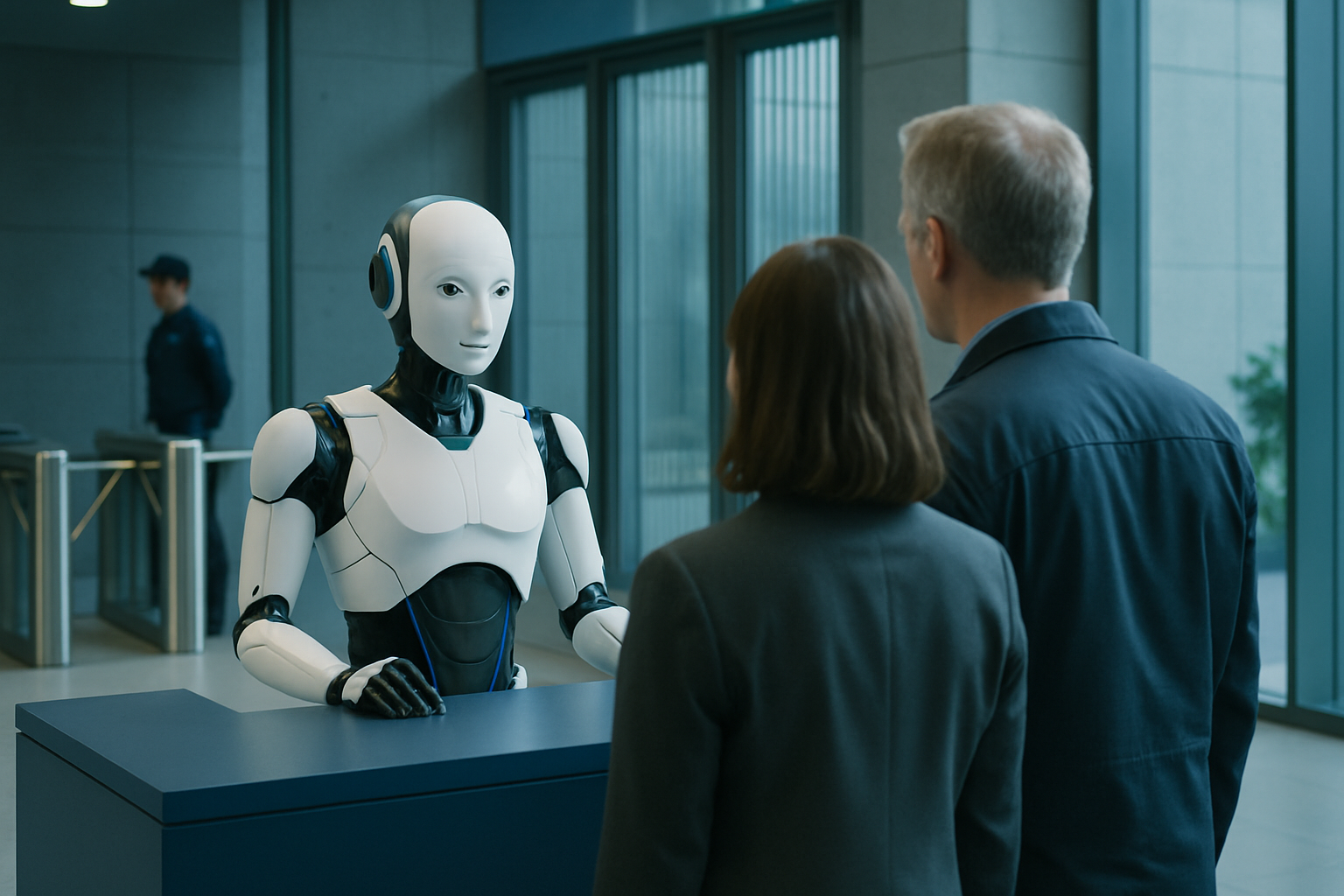
In the evolving landscape of security and customer service, high-security venues are increasingly considering advanced technologies to enhance their operations. Among these, hologram AI employees have emerged as a compelling alternative to traditional robotic staff. This shift is driven by the need for flexibility, efficiency, and enhanced security measures that hologram AI can offer.
Hologram AI employees, such as those powered by platforms like AssistFlow, provide a unique blend of virtual presence and advanced AI capabilities. Unlike physical robots, holograms do not require physical space and can be deployed in various locations without logistical constraints. This makes them particularly attractive for high-security environments where space and security are paramount concerns.
What Should the Chatbot Do?
When integrating AI into high-security venues, it is essential to define the specific roles and tasks the AI will perform. A well-designed hologram AI can handle multiple functions:
- Catalog and Product Discovery: Hologram AI can assist customers in navigating complex product catalogs, ensuring they find the right products quickly and efficiently.
- Order and Customer Context: By accessing customer data, hologram AI can provide personalized recommendations and order updates, enhancing the customer experience.
- Website Chat and Human Handoff: Seamless integration with website chat systems allows for immediate human handoff when needed, ensuring customer queries are resolved promptly.
- Messaging Channels: Hologram AI supports communication across various channels, including WhatsApp and Instagram, providing a consistent customer experience.
Native Platform AI vs. Customer-Engagement Platform
Choosing between native platform AI and a dedicated customer-engagement platform depends on the venue's specific needs:
- Native Tools: These are embedded within a single ecosystem, often limiting their use to specific tasks or environments.
- Dedicated Platforms: Platforms like AssistFlow offer broader capabilities, covering store operations, website interactions, and unified inbox management. This flexibility is crucial for venues needing comprehensive AI solutions that extend beyond basic tasks.
Where AssistFlow Fits
AssistFlow's HoloBox is an ideal solution for high-security venues seeking to implement hologram AI. The HoloBox offers a secure, interactive platform that can be customized to meet the unique needs of any venue. With its ability to support multiple languages and channels, AssistFlow ensures a seamless integration into existing operations.
For more information, explore the HoloBox product page and the MetaHuman HoloBox kiosk.
Which One Should You Choose?
Deciding between a native AI tool and a broader platform like AssistFlow depends on the venue's operational scope:
- Native AI: Suitable for venues with limited AI needs confined to specific tasks or areas.
- Broader Platforms: Ideal for venues requiring a versatile AI solution that can manage multiple channels and support operations both within and beyond the store environment.
Bottom Line
The decision to hire a hologram AI employee over a robot should be based on the venue's catalog, order, and channel needs rather than brand names. A comprehensive platform like AssistFlow offers the flexibility and security high-security venues require, making it a strategic choice for forward-thinking operations.
Implementation Steps for Integrating Hologram AI
Integrating hologram AI into a high-security venue involves several strategic steps to ensure seamless operation and maximum benefit. The process begins with a thorough needs assessment to identify specific areas where hologram AI can make a significant impact. This involves evaluating the venue's current operations, identifying bottlenecks, and determining which tasks can be automated or enhanced through AI.
Once the needs are identified, the next step is to select the appropriate hologram AI solution. This involves comparing different platforms, such as native AI tools versus comprehensive platforms like AssistFlow, to find the best fit for the venue's requirements. Key considerations include the platform's ability to handle multiple channels, support for various languages, and integration with existing systems.
After selecting the solution, the implementation phase involves setting up the hologram AI infrastructure. This includes installing necessary hardware, such as the HoloBox, and configuring the software to align with the venue's operational protocols. Training sessions for staff are crucial at this stage to ensure they understand how to work alongside the AI and leverage its capabilities effectively.
Finally, continuous monitoring and optimization are essential. Regularly reviewing AI performance, gathering feedback from both staff and customers, and making necessary adjustments will help in maintaining the efficiency and effectiveness of the hologram AI system.
Common Mistakes to Avoid When Deploying Hologram AI
While the benefits of hologram AI are substantial, there are common pitfalls that venues should avoid to ensure successful deployment. One major mistake is underestimating the importance of clear role definition for the AI. Without specific tasks and goals, the AI may not deliver the expected value, leading to inefficiencies and frustration among staff and customers.
Another common error is neglecting the integration with existing systems. Hologram AI must seamlessly connect with the venue's current infrastructure, including security protocols, communication channels, and customer databases. Failing to ensure this integration can result in operational silos and data discrepancies, undermining the AI's potential benefits.
Additionally, venues often overlook the importance of staff training. Employees need to be well-versed in interacting with hologram AI to maximize its utility. This includes understanding when to rely on the AI for routine tasks and when to escalate issues to human staff for resolution.
Finally, not setting up a feedback loop can hinder the AI's evolution. Continuous improvement relies on feedback from both users and customers. Regularly updating the AI based on this feedback ensures it remains aligned with the venue's objectives and adapts to changing needs.
FAQ
Why are hologram AI employees preferred in high-security venues?
Hologram AI employees offer flexibility, require no physical space, and provide enhanced security features, making them ideal for high-security environments.
What tasks can a hologram AI perform in a high-security venue?
Hologram AI can assist with product discovery, provide personalized customer interactions, manage orders, and support communication across multiple channels.
How does AssistFlow's HoloBox enhance security in venues?
AssistFlow's HoloBox provides a secure platform for hologram AI, offering customizable solutions that integrate seamlessly with existing security protocols.
Is a dedicated customer-engagement platform necessary for all venues?
While not necessary for all, venues with diverse operational needs benefit from a dedicated platform like AssistFlow, which offers comprehensive AI solutions across channels.
Can hologram AI replace human staff entirely?
Hologram AI complements human staff by handling routine tasks, allowing human employees to focus on more complex, value-added activities.
For venues considering the integration of hologram AI, exploring solutions like AssistFlow's HoloBox can provide the necessary tools to enhance security and efficiency. Contact us to learn more about how hologram AI can benefit your venue.