Optimizing Healthcare with AI Chatbots in Bangkok Clinics
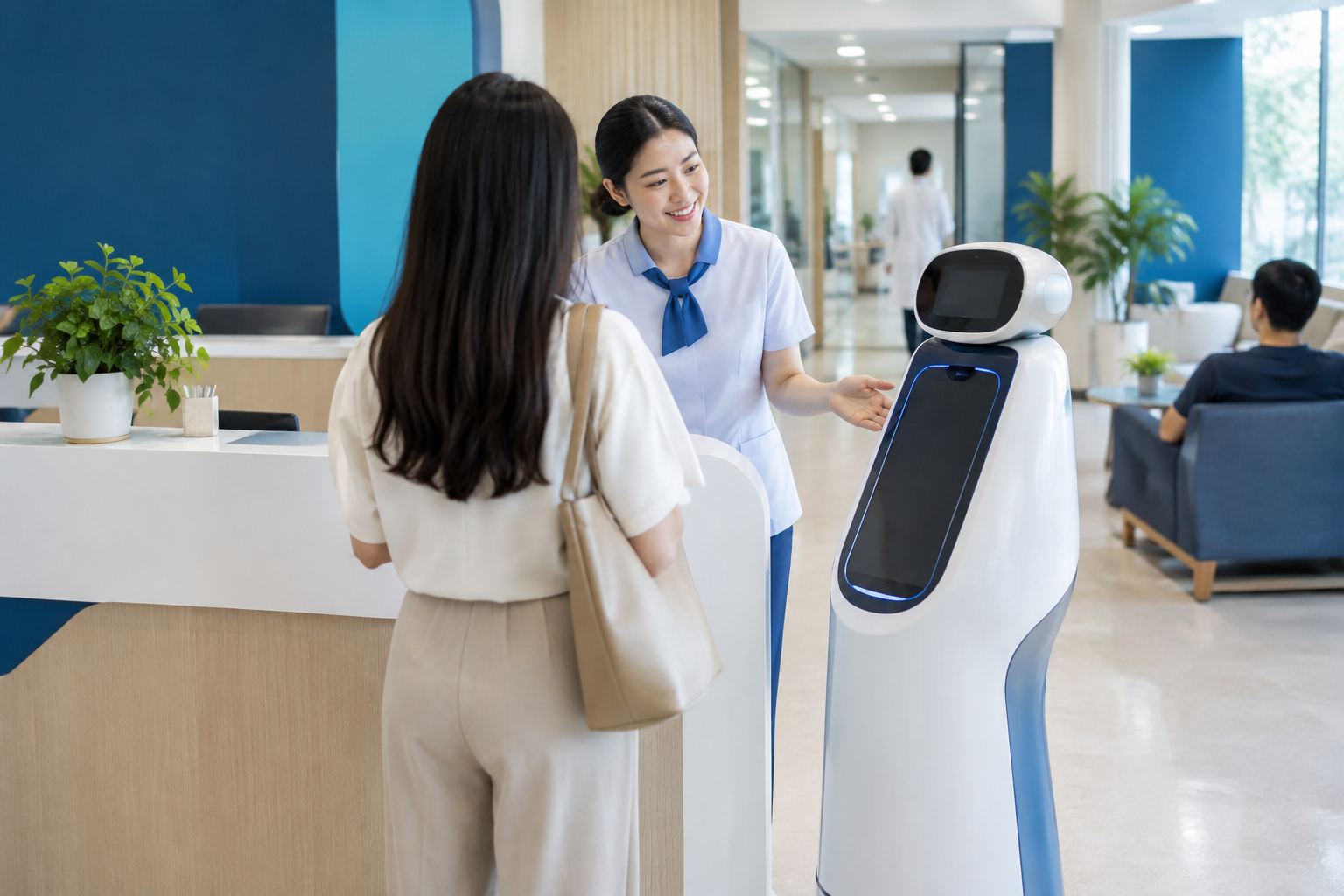
The integration of AI chatbots in healthcare settings is revolutionizing patient engagement and operational efficiency, particularly in bustling cities like Bangkok. With the rapid advancements in artificial intelligence, clinics are leveraging AI-driven solutions to enhance patient experience, streamline administrative tasks, and ensure high-quality care. This article explores the application of healthcare chatbots in Bangkok clinics, highlighting their benefits and how they are reshaping the healthcare landscape.
Understanding Healthcare AI and Its Impact
Healthcare AI encompasses a range of technologies designed to improve medical services. AI chatbots, specifically, are being employed to manage patient inquiries, schedule appointments, and provide information about medical services. These chatbots are capable of understanding and responding to patient queries in real-time, reducing the workload on healthcare staff and improving patient satisfaction.
Key Features of AI Chatbots in Clinics
24/7 Availability
AI chatbots offer round-the-clock assistance, ensuring patients can access information and support at any time. This constant availability is particularly beneficial in a city like Bangkok, where clinics serve a diverse and busy population.
Multilingual Support
Bangkok's diverse population necessitates multilingual support, and AI chatbots can communicate in multiple languages, breaking down language barriers and ensuring clear communication with all patients.
Automated Appointment Scheduling
AI chatbots can efficiently handle appointment scheduling, sending reminders and updates to patients, thus reducing no-shows and optimizing clinic schedules.
Benefits of Healthcare Chatbots in Bangkok
The implementation of AI chatbots in Bangkok's healthcare sector offers numerous benefits. These include enhanced patient engagement, reduced administrative burden, and improved operational efficiency. By automating routine tasks, chatbots allow healthcare professionals to focus more on patient care.
Where AssistFlow Fits
AssistFlow provides a comprehensive Healthcare AI solution that is perfectly suited for clinics in Bangkok. With its AI chat widget, AssistFlow enables seamless patient interaction and efficient management of healthcare services. The platform's multilingual capabilities and integration with various communication channels make it an ideal choice for clinics looking to enhance their patient engagement strategies.
Choosing the Right AI Chatbot for Your Clinic
Consider Your Clinic's Needs
When selecting an AI chatbot, consider the specific needs of your clinic. Evaluate the types of interactions you want to automate and the level of integration required with existing systems.
Integration Capabilities
Ensure that the chatbot can integrate with your clinic's existing software and systems, such as electronic health records (EHR) and patient management systems.
Scalability and Flexibility
Choose a solution that can scale with your clinic's growth and adapt to changing patient demands. Flexibility in customization is also crucial to meet specific operational requirements.
Concrete Implementation Steps for AI Chatbots in Clinics
Implementing AI chatbots in a healthcare setting requires careful planning and execution. The first step is to conduct a comprehensive assessment of the clinic's current operations and identify areas where chatbots can add value. This involves understanding the specific needs of patients and staff, such as the most common inquiries and tasks that can be automated.
Once the assessment is complete, the next step is to select a suitable AI chatbot platform that aligns with the clinic's requirements. For instance, a clinic in Bangkok might prioritize multilingual support to cater to its diverse patient base. It is crucial to evaluate the integration capabilities of the chatbot with existing systems such as electronic health records (EHR) and appointment scheduling software.
After selecting the platform, the implementation phase begins. This involves configuring the chatbot to handle specific tasks, such as appointment scheduling and answering frequently asked questions. Training the staff to use the new system effectively is also a vital part of this phase. Ensuring that the chatbot is secure and compliant with data protection regulations is essential to protect sensitive patient information.
Finally, continuous monitoring and evaluation of the chatbot's performance are necessary to make adjustments and improvements over time. Collecting feedback from both patients and staff can provide valuable insights into how the chatbot is performing and where enhancements can be made.
Trade-offs and Mistakes to Avoid in AI Chatbot Implementation
While AI chatbots offer numerous benefits, there are trade-offs and potential pitfalls that clinics need to be aware of during implementation. One common trade-off is between automation and the personal touch that patients expect. While chatbots can handle routine tasks efficiently, they may lack the empathy and understanding that a human interaction provides. Clinics should ensure that there is a seamless handoff to human staff when complex issues arise.
Another mistake to avoid is underestimating the importance of data privacy and security. AI chatbots must be designed to handle sensitive patient information securely, adhering to relevant privacy regulations. Failing to do so can lead to data breaches and loss of patient trust.
Additionally, clinics should avoid implementing a one-size-fits-all solution. Each clinic has unique needs, and the chatbot should be customizable to address specific operational requirements. Lack of customization can lead to inefficiencies and missed opportunities for optimization.
Furthermore, neglecting to train staff adequately can hinder the success of the chatbot implementation. Staff should be well-versed in how to use the chatbot and understand its limitations. This ensures that they can provide support when needed and manage patient expectations effectively.
Finally, clinics should not overlook the importance of ongoing evaluation and updates. Technology and patient needs evolve, and the chatbot should be regularly updated to ensure it continues to meet the clinic's objectives and patient expectations. By avoiding these common pitfalls, clinics can maximize the benefits of AI chatbots and enhance their healthcare services.
FAQ
What is a healthcare chatbot?
A healthcare chatbot is an AI-powered tool designed to assist patients with various tasks such as scheduling appointments, providing medical information, and answering common health-related questions.
How do AI chatbots improve clinic efficiency?
AI chatbots automate routine tasks, reduce administrative workload, enhance patient engagement, and provide 24/7 support, leading to improved clinic efficiency and patient satisfaction.
Can AI chatbots handle sensitive patient information?
Yes, AI chatbots can be designed to handle sensitive patient information securely, adhering to privacy regulations and ensuring data protection.
How do I implement an AI chatbot in my clinic?
To implement an AI chatbot, assess your clinic's needs, choose a suitable AI solution like AssistFlow, and ensure seamless integration with your existing systems.
Why choose AssistFlow for healthcare AI solutions?
AssistFlow offers a robust AI platform with multilingual support, integration capabilities, and a focus on enhancing patient engagement, making it ideal for healthcare settings.
In conclusion, integrating an AI chatbot into your clinic's operations can significantly enhance patient engagement and streamline processes. For clinics in Bangkok, leveraging a solution like AssistFlow can provide the necessary tools to meet the demands of a diverse patient base while maintaining high standards of care.