Enhancing Hotel Lobbies with AI: A Guide to Hotel Lobby AI Apps
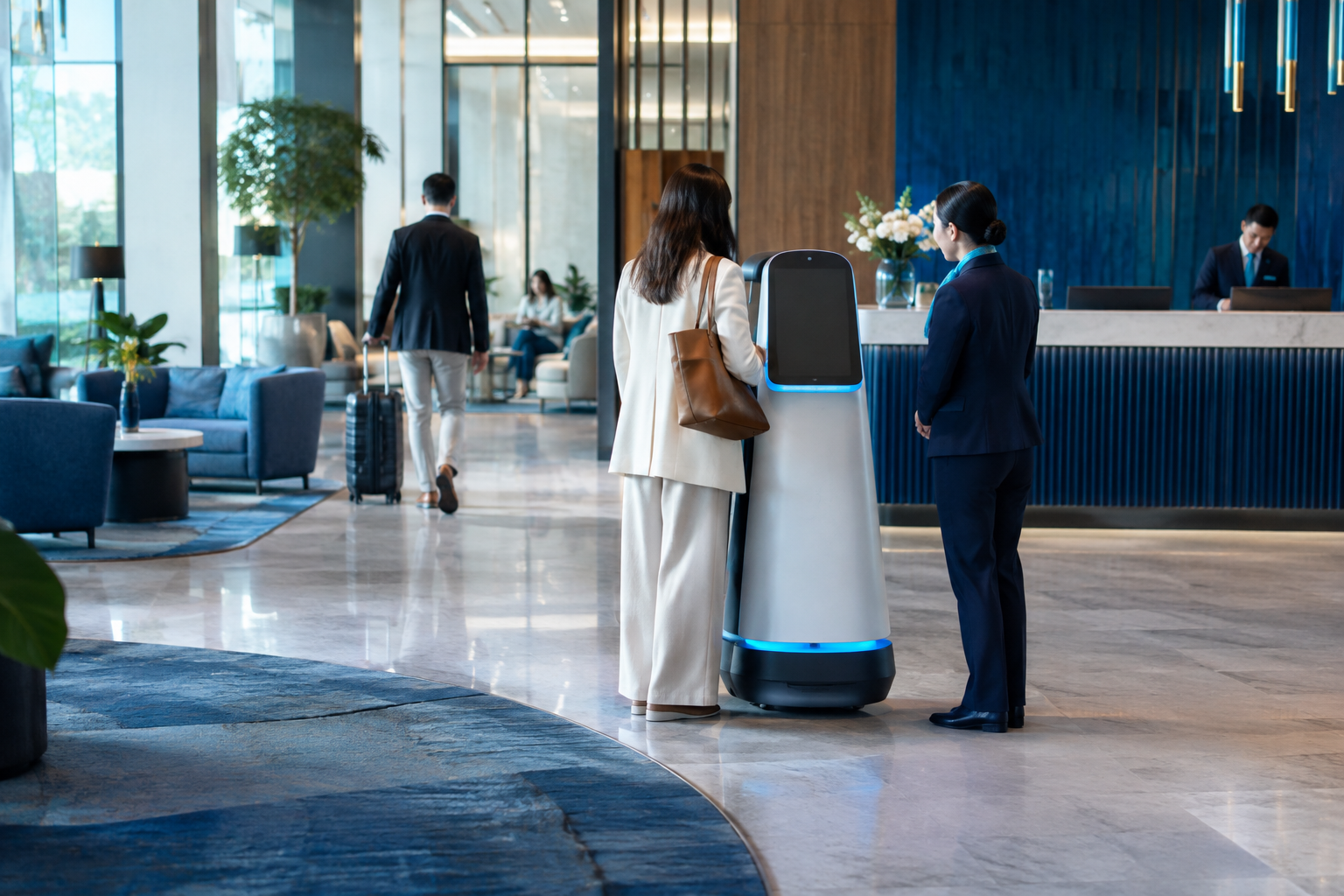
In the competitive world of hospitality, hotels are constantly seeking innovative ways to enhance guest experiences and streamline operations. One such innovation is the integration of AI applications into hotel lobbies. These AI solutions are designed to provide guests with seamless, personalized experiences while improving the efficiency of hotel operations.
AI technology in hotel lobbies can range from virtual concierge services to automated check-in processes. These applications not only improve customer satisfaction but also reduce the workload on hotel staff, allowing them to focus on more complex tasks. As the demand for more sophisticated guest interactions grows, the adoption of AI in hotel lobbies is becoming increasingly prevalent.
What to Look for in a Hotel Lobby AI App
When considering the implementation of AI in hotel lobbies, it is crucial to focus on a few key features that can significantly enhance guest interactions and operational efficiency.
Personalized Guest Experiences
A successful AI application should be able to personalize interactions based on guest preferences and history. This can include offering tailored recommendations for dining, entertainment, and local attractions.
Seamless Integration
AI solutions should seamlessly integrate with existing hotel management systems. This ensures that data flows smoothly between systems, providing a comprehensive view of guest interactions and preferences.
Multilingual Support
Given the diverse nature of hotel guests, AI apps should support multiple languages to cater to international visitors, enhancing their overall experience.
Operational Efficiency
The right AI solution should automate routine tasks such as check-ins, check-outs, and room service requests, freeing up staff to focus on more complex guest needs.
Benefits of Implementing AI in Hotel Lobbies
Integrating AI into hotel lobbies offers numerous benefits that can transform the guest experience and operational processes.
Enhanced Guest Satisfaction
AI applications can provide guests with instant access to information and services, reducing wait times and enhancing their overall experience.
Increased Efficiency
By automating routine tasks, AI frees up staff to focus on high-value interactions, improving overall operational efficiency.
Data-Driven Insights
AI solutions can collect and analyze guest data, providing hotels with valuable insights into guest preferences and behaviors, which can be used to improve services and offerings.
Where AssistFlow Fits
AssistFlow provides a comprehensive Hotel AI solution that enhances guest interactions and streamlines hotel operations. With capabilities ranging from virtual concierge services to multilingual support, AssistFlow's AI applications are designed to meet the diverse needs of the hospitality industry. By integrating seamlessly with existing systems, AssistFlow ensures a smooth transition to AI-enhanced operations, helping hotels deliver exceptional guest experiences.
Related Pages
Steps to Implement AI in Hotel Lobbies
Implementing AI solutions in hotel lobbies involves a series of strategic steps to ensure that the technology not only integrates well with existing systems but also enhances the guest experience. The process begins with a thorough assessment of the hotel's current operations and guest interaction points to identify areas where AI can add the most value.
The first step is to conduct a needs analysis to determine which AI functionalities are most pertinent to the hotel’s goals. This might involve evaluating guest feedback, identifying common pain points in guest interactions, and assessing the workload distribution among staff. Once these areas are identified, hotels can prioritize AI features that address these specific needs, such as virtual concierge services or automated check-in systems.
Next, hotels should evaluate potential AI vendors, focusing on their ability to offer seamless integration with existing hotel management systems. This ensures that the new AI applications can function smoothly alongside current technologies, minimizing disruptions during the transition. It is also essential to consider the scalability of the AI solution, ensuring it can grow with the hotel’s future needs.
Training staff on how to use the new AI systems effectively is another crucial step. This involves not only technical training but also educating staff on how AI can complement their roles, allowing them to focus on more personalized guest interactions. Finally, hotels should establish metrics for success and regularly review performance data to make necessary adjustments to the AI applications, ensuring they continue to meet evolving guest expectations.
Common Mistakes to Avoid When Integrating AI in Hotel Lobbies
While integrating AI into hotel lobbies can offer numerous benefits, there are common pitfalls that hotels should be cautious to avoid. One significant mistake is neglecting to align AI initiatives with the overall guest experience strategy. AI should enhance, not detract from, the personalized service that guests expect. Therefore, it is crucial to ensure that AI complements human interactions rather than replacing them entirely.
Another common error is underestimating the importance of data privacy and security. AI applications often handle sensitive guest information, so robust security measures must be in place to protect this data. Failure to do so can lead to breaches of trust and potential legal issues, undermining the benefits of AI implementation.
Overlooking the need for continuous staff training can also hinder the success of AI integration. Staff should be equipped with the knowledge and skills to interact with AI systems effectively, ensuring they can assist guests seamlessly and troubleshoot any issues that arise.
Additionally, hotels should avoid implementing AI solutions that lack flexibility and adaptability. The hospitality industry is dynamic, and guest expectations can change rapidly. An AI system that cannot adapt to these changes may quickly become obsolete. Thus, selecting an AI solution that offers regular updates and improvements is essential.
Finally, failing to set clear objectives and metrics for AI performance can lead to a lack of clarity on the technology's impact. Hotels should establish specific goals for AI implementation and regularly review performance data to ensure these goals are being met. By avoiding these common mistakes, hotels can maximize the benefits of AI in their lobbies and enhance the overall guest experience.
FAQ
What is a hotel lobby AI app?
A hotel lobby AI app is a software application that uses artificial intelligence to enhance guest interactions and streamline operations in hotel lobbies. It can provide services such as virtual concierge, automated check-ins, and multilingual support.
How does AI improve guest experiences in hotels?
AI improves guest experiences by providing personalized recommendations, reducing wait times, and offering 24/7 access to information and services. It can also automate routine tasks, allowing staff to focus on more personalized guest interactions.
Can AI applications integrate with existing hotel systems?
Yes, many AI applications are designed to integrate seamlessly with existing hotel management systems, ensuring smooth data flow and comprehensive guest insights.
What languages do AI hotel apps support?
AI hotel apps often support multiple languages, catering to the diverse needs of international guests and enhancing their overall experience.
How does AssistFlow's Hotel AI enhance operations?
AssistFlow's Hotel AI enhances operations by providing virtual concierge services, supporting multiple languages, and automating routine tasks, thereby improving efficiency and guest satisfaction.
For hotels looking to elevate their guest experience and operational efficiency, integrating AI applications into their lobbies is a strategic move. To learn more about how AssistFlow's Hotel AI can benefit your hotel, contact us today.