Enhance Customer Engagement with an AI WhatsApp Assistant
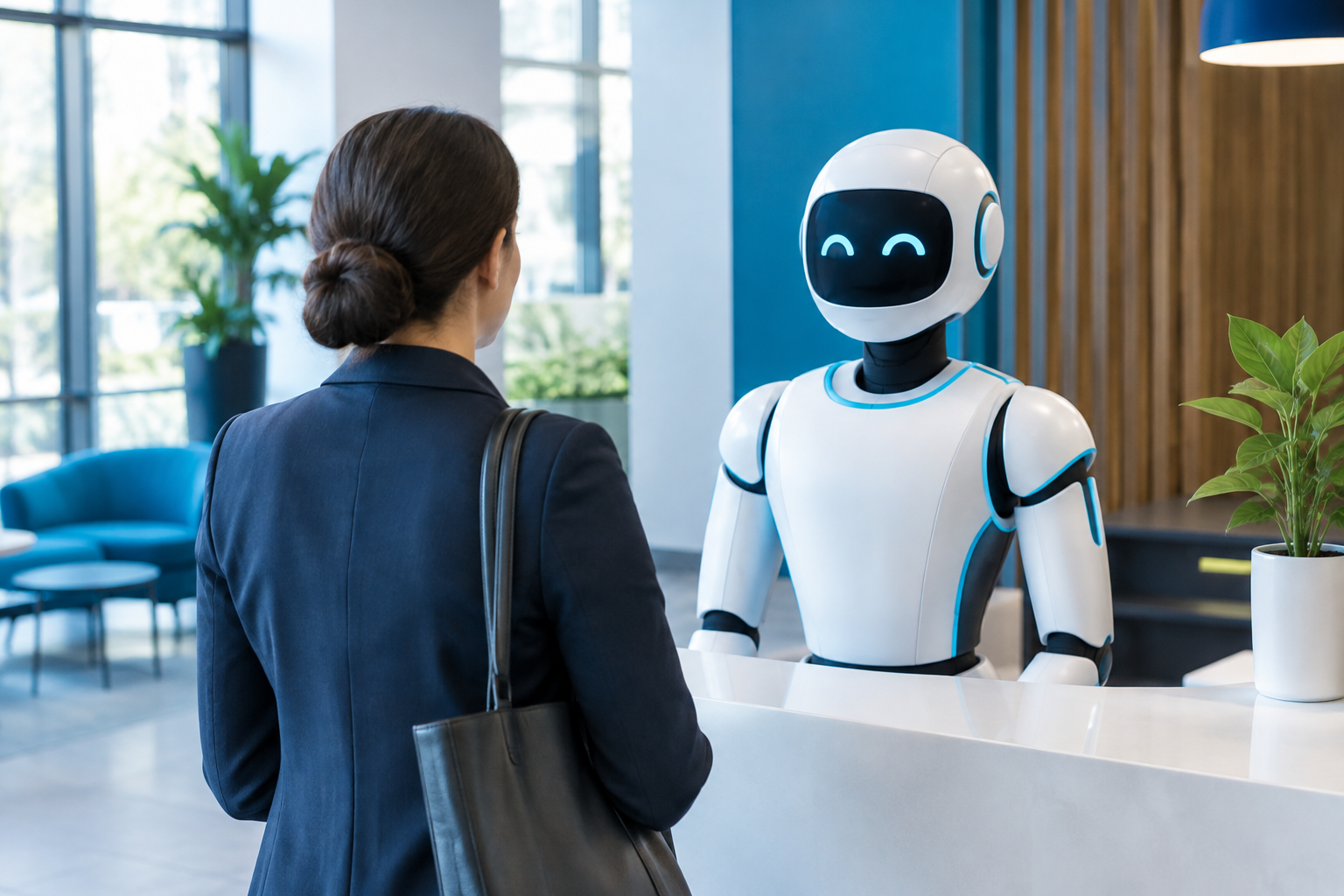
In the digital age, businesses are constantly seeking innovative ways to enhance customer engagement and streamline communication. One such advancement is the integration of AI into messaging platforms, particularly WhatsApp. An AI WhatsApp Assistant can transform how businesses interact with their customers, offering personalized, efficient, and round-the-clock support.
WhatsApp, with its extensive user base, provides a robust platform for businesses to connect with customers. By leveraging AI, businesses can automate responses, manage queries, and provide seamless customer service. This not only improves customer satisfaction but also allows businesses to operate more efficiently.
Understanding AI WhatsApp Assistants
An AI WhatsApp Assistant is an automated chatbot integrated within the WhatsApp platform, designed to handle customer interactions. It uses natural language processing and machine learning to understand and respond to customer queries effectively. This technology allows businesses to provide instant support, reducing wait times and enhancing user experience.
Key Features
- 24/7 Availability: AI assistants ensure that customer queries are addressed promptly, regardless of time zones.
- Personalized Interactions: By analyzing customer data, AI can tailor responses to individual needs, enhancing user satisfaction.
- Cost-Effective: Automating customer service reduces the need for large support teams, cutting operational costs.
What to Look for in a WhatsApp AI Assistant
When selecting an AI WhatsApp Assistant, businesses should consider several factors to ensure they choose the right solution for their needs. These include:
Integration with WhatsApp Business
Ensure that the AI assistant integrates seamlessly with WhatsApp Business, allowing for easy management of customer interactions and data.
Customization and Scalability
The assistant should offer customization options to align with your brand's voice and be scalable to accommodate growing business needs.
Security and Compliance
Data security is paramount. Choose a solution that complies with industry standards and protects customer information.
Where AssistFlow Fits
AssistFlow offers a comprehensive AI WhatsApp Assistant that integrates seamlessly with WhatsApp Business. With features like human handoff and a unified inbox, it helps businesses manage customer interactions efficiently. AssistFlow supports over 150 languages, making it ideal for global businesses. Learn more about our WhatsApp AI Chatbot and how it can benefit your business.
Benefits of Using an AI WhatsApp Assistant
Implementing an AI WhatsApp Assistant can significantly enhance business operations. Here are some key benefits:
Improved Customer Satisfaction
AI assistants provide instant responses, reducing wait times and improving customer satisfaction.
Increased Efficiency
By automating routine queries, businesses can focus on more complex customer issues, improving overall efficiency.
Enhanced Data Insights
AI can analyze customer interactions to provide valuable insights, helping businesses make informed decisions.
Concrete Implementation Steps for an AI WhatsApp Assistant
Implementing an AI WhatsApp Assistant involves several strategic steps to ensure a seamless integration and optimal performance. These steps help in aligning the assistant with business objectives and customer expectations.
Step 1: Define Objectives
Begin by clearly defining the objectives you aim to achieve with the AI WhatsApp Assistant. Whether it's reducing response times, improving customer satisfaction, or cutting operational costs, having clear goals will guide the implementation process.
Step 2: Choose the Right Platform
Select a platform that offers robust integration with WhatsApp Business. It should support the necessary features such as natural language processing, machine learning capabilities, and have a user-friendly interface for easy management.
Step 3: Customize the Assistant
Customization is key to ensuring the assistant aligns with your brand voice. This includes configuring the assistant to handle specific types of queries, setting up automated responses, and tailoring the interaction flow to meet customer needs.
Step 4: Train the AI
Training the AI involves feeding it with relevant data to improve its understanding and response accuracy. This can include past customer interactions, FAQs, and other relevant datasets to enhance its learning.
Step 5: Test and Iterate
Before full deployment, conduct thorough testing to identify any issues or areas for improvement. Use feedback from test users to iterate on the assistant’s performance, ensuring it meets the desired standards.
Step 6: Monitor and Optimize
Once deployed, continuously monitor the assistant’s performance through analytics and customer feedback. Regularly update the AI with new data and refine its algorithms to maintain efficiency and effectiveness.
Trade-offs and Mistakes to Avoid in AI WhatsApp Assistant Deployment
Deploying an AI WhatsApp Assistant can offer numerous benefits, but it also involves certain trade-offs and potential pitfalls. Understanding these can help businesses make informed decisions and avoid common mistakes.
Trade-off: Automation vs. Personal Touch
While automation can significantly enhance efficiency, it may also reduce the personal touch in customer interactions. Striking a balance between automated responses and human engagement is crucial. Ensure that the assistant can seamlessly hand off complex queries to human agents when needed.
Mistake 1: Overlooking Data Security
One of the biggest mistakes is neglecting data security. Ensure that the AI WhatsApp Assistant complies with industry standards and implements robust data protection measures to safeguard customer information.
Mistake 2: Inadequate Training
Another common pitfall is insufficient training of the AI. Without adequate data and learning algorithms, the assistant may fail to understand or respond accurately to customer queries. Regular updates and training are essential for maintaining performance.
Mistake 3: Ignoring Customer Feedback
Customer feedback is invaluable for improving the AI's interactions. Failing to incorporate this feedback can lead to a stagnant system that doesn't evolve with customer needs. Establish a feedback loop to continuously enhance the assistant’s capabilities.
Trade-off: Cost vs. Quality
While cost savings are a significant advantage of AI assistants, they should not come at the expense of quality. Investing in a high-quality solution that offers reliable performance and support is essential for long-term success.
By carefully considering these trade-offs and avoiding common mistakes, businesses can successfully implement an AI WhatsApp Assistant that enhances customer engagement and operational efficiency.
FAQ
What is an AI WhatsApp Assistant?
An AI WhatsApp Assistant is a chatbot integrated within WhatsApp that automates customer interactions using AI technologies like natural language processing.
How does an AI WhatsApp Assistant benefit businesses?
It improves customer satisfaction by providing instant responses, reduces operational costs, and offers valuable customer insights.
Can AI WhatsApp Assistants handle complex queries?
While AI can manage many queries, complex issues may still require human intervention, which is facilitated through features like human handoff.
Is it secure to use an AI WhatsApp Assistant?
Yes, provided the solution complies with industry standards and implements robust data protection measures.
How does AssistFlow enhance WhatsApp Business?
AssistFlow integrates AI capabilities into WhatsApp Business, offering features like multilingual support and a unified inbox for streamlined communication.
Incorporating an AI WhatsApp Assistant into your business strategy can revolutionize customer engagement and operational efficiency. To explore how AssistFlow can enhance your business communication, visit our WhatsApp AI page.