How a Chatbot for Dentists Enhances Patient Engagement
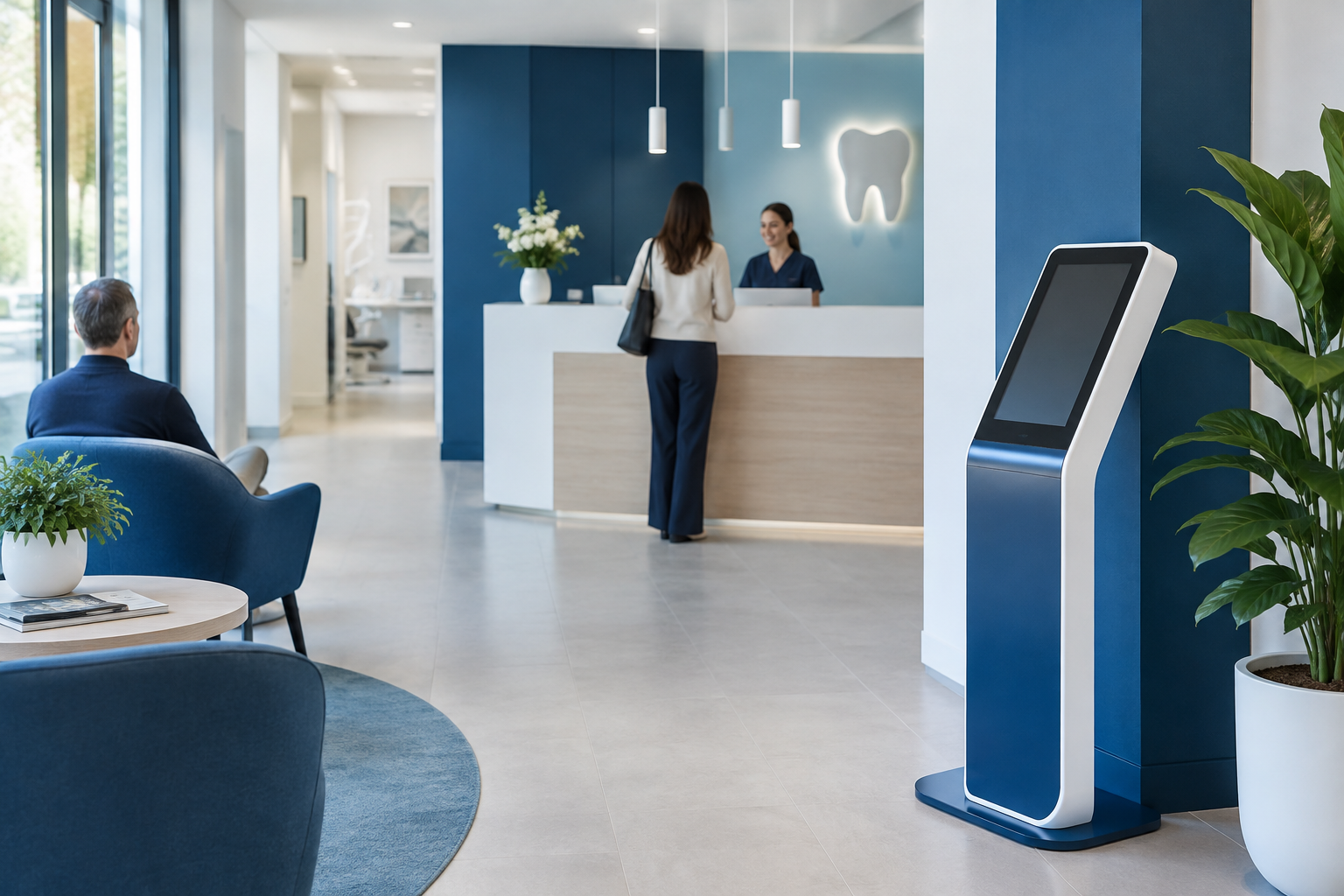
In the fast-evolving world of dental care, maintaining effective communication with patients is crucial. A chatbot for dentists can significantly enhance the patient experience by streamlining interactions and providing timely assistance. This article explores how dental practices can benefit from implementing AI-powered chatbots, focusing on key features and considerations.
With the increasing demand for digital solutions in healthcare, dental chatbots have emerged as a valuable tool for improving patient engagement. These AI-driven platforms can handle routine inquiries, manage appointments, and provide patient education, freeing up valuable time for dental staff to focus on more complex tasks.
What to Look for in a Dental Chatbot
When selecting a chatbot for your dental practice, it's essential to consider several factors that can impact its effectiveness and integration into your existing systems.
Integration Capabilities
A dental chatbot should seamlessly integrate with your current systems, such as appointment scheduling software and patient management databases. This integration ensures that the chatbot can access and update patient information in real-time, providing accurate responses and scheduling capabilities.
Patient Education
An effective dental chatbot not only answers queries but also educates patients on dental procedures, hygiene tips, and post-treatment care. This feature can enhance patient satisfaction and reduce the need for follow-up calls or visits.
24/7 Availability
One of the primary advantages of a chatbot is its ability to operate around the clock. This ensures that patients can receive assistance and information at any time, improving accessibility and convenience.
Benefits of Implementing a Dental Chatbot
Adopting a chatbot for your dental practice can offer numerous benefits, from improving operational efficiency to enhancing patient satisfaction.
Streamlined Appointment Management
Chatbots can handle appointment scheduling and reminders, reducing the administrative burden on your staff and minimizing the risk of human error. This automation helps ensure that your practice runs smoothly and efficiently.
Improved Patient Engagement
By providing instant responses to patient inquiries, chatbots can enhance engagement and foster a sense of connection between patients and your practice. This responsiveness can lead to higher patient satisfaction and loyalty.
Cost Efficiency
Implementing a chatbot can reduce operational costs by automating routine tasks and minimizing the need for additional staff. This cost-saving potential makes chatbots an attractive option for dental practices of all sizes.
Where AssistFlow Fits
AssistFlow offers a comprehensive Dental Clinic AI solution designed to enhance patient interactions and streamline operations. With features like the AI Chat Widget, dental practices can leverage AI technology to provide efficient and effective patient support.
The platform supports multiple communication channels, ensuring that all patient interactions are captured in a unified inbox. This capability allows for seamless communication and coordination between dental staff and patients.
Related AssistFlow Solutions
AssistFlow's offerings extend beyond dental chatbots, providing a range of solutions tailored to various business needs. Explore the Webchat AI for enhanced online engagement and the WhatsApp AI Chatbot for mobile communication.
Concrete Implementation Steps for a Dental Chatbot
Implementing a dental chatbot involves several critical steps that ensure seamless integration and optimal functionality within your practice. By following a structured approach, dental practices can maximize the benefits of this technology.
Step 1: Identify Objectives and Requirements
Before implementing a chatbot, it is essential to clearly define the objectives you aim to achieve. Whether it's reducing administrative workload, enhancing patient engagement, or providing 24/7 support, having clear goals will guide the selection and customization of your chatbot solution. Additionally, outline the specific requirements, such as integration with existing systems and the types of patient interactions the chatbot will handle.
Step 2: Choose the Right Chatbot Provider
Selecting a reputable chatbot provider is crucial to ensuring a successful implementation. Consider factors such as the provider's experience in the healthcare sector, the flexibility of their solutions, and their customer support capabilities. A provider like AssistFlow, which offers specialized solutions for dental practices, can be a valuable partner in this process.
Step 3: Customize and Integrate
Once a provider is selected, work closely with them to customize the chatbot to meet your practice's unique needs. This customization may include setting up automated responses for common patient queries, integrating with appointment scheduling software, and ensuring the chatbot aligns with your practice's communication style. Proper integration with existing systems is vital for real-time data access and accurate patient interactions.
Step 4: Train Staff and Monitor Performance
Training your staff on how to interact with and manage the chatbot is essential for a smooth transition. Staff should understand the chatbot's capabilities and limitations to effectively assist patients when necessary. Additionally, continuously monitor the chatbot's performance to identify areas for improvement and ensure it meets your practice's objectives.
Trade-offs and Mistakes to Avoid When Implementing a Dental Chatbot
While dental chatbots offer numerous benefits, it is important to be aware of potential trade-offs and common pitfalls that can arise during implementation. Understanding these can help practices make informed decisions and avoid costly mistakes.
Trade-off: Automation vs. Personalization
One of the primary trade-offs in implementing a chatbot is balancing automation with personalization. While automation can significantly reduce the workload on staff and improve efficiency, it can sometimes lead to impersonal interactions. To mitigate this, ensure that the chatbot is programmed to handle routine tasks while still allowing for human intervention when more personalized care is needed.
Mistake: Overestimating the Chatbot's Capabilities
A common mistake is overestimating what a chatbot can do. While chatbots are powerful tools, they are not a replacement for human interaction in all scenarios. It is crucial to set realistic expectations and understand that complex patient inquiries may still require human assistance. Clearly defining the chatbot's role and limitations can prevent patient frustration and ensure a positive experience.
Mistake: Neglecting Continuous Improvement
Another mistake is failing to continuously improve and update the chatbot. Patient needs and technology are constantly evolving, and a static chatbot may quickly become outdated. Regularly reviewing chatbot interactions, gathering patient feedback, and making necessary adjustments can help maintain its relevance and effectiveness.
By understanding these trade-offs and avoiding common mistakes, dental practices can effectively leverage chatbots to enhance patient engagement and improve operational efficiency.
FAQ
How does a dental chatbot improve patient experience?
A dental chatbot enhances patient experience by providing instant responses to inquiries, managing appointments, and offering educational content, all of which improve accessibility and satisfaction.
Can a chatbot handle appointment scheduling?
Yes, a chatbot can efficiently manage appointment scheduling and send reminders, reducing the workload on dental staff and minimizing scheduling errors.
Is a dental chatbot suitable for all practice sizes?
Dental chatbots are scalable and can be customized to fit practices of any size, from small clinics to large dental networks, offering flexibility and efficiency.
What platforms does AssistFlow support?
AssistFlow supports over 150 languages and integrates with platforms like Shopify, Wix, WooCommerce, and more, making it versatile for various business needs.
How can I get started with AssistFlow?
You can start by exploring the AssistFlow website and booking a demo to understand how their solutions can be tailored to your specific needs.
In conclusion, implementing a chatbot for dentists can transform the way dental practices interact with patients, enhancing both efficiency and satisfaction. To explore how AssistFlow can support your dental clinic, visit AssistFlow Dental Clinic AI.