How a Car Dealership AI Assistant Transforms the Automotive Industry
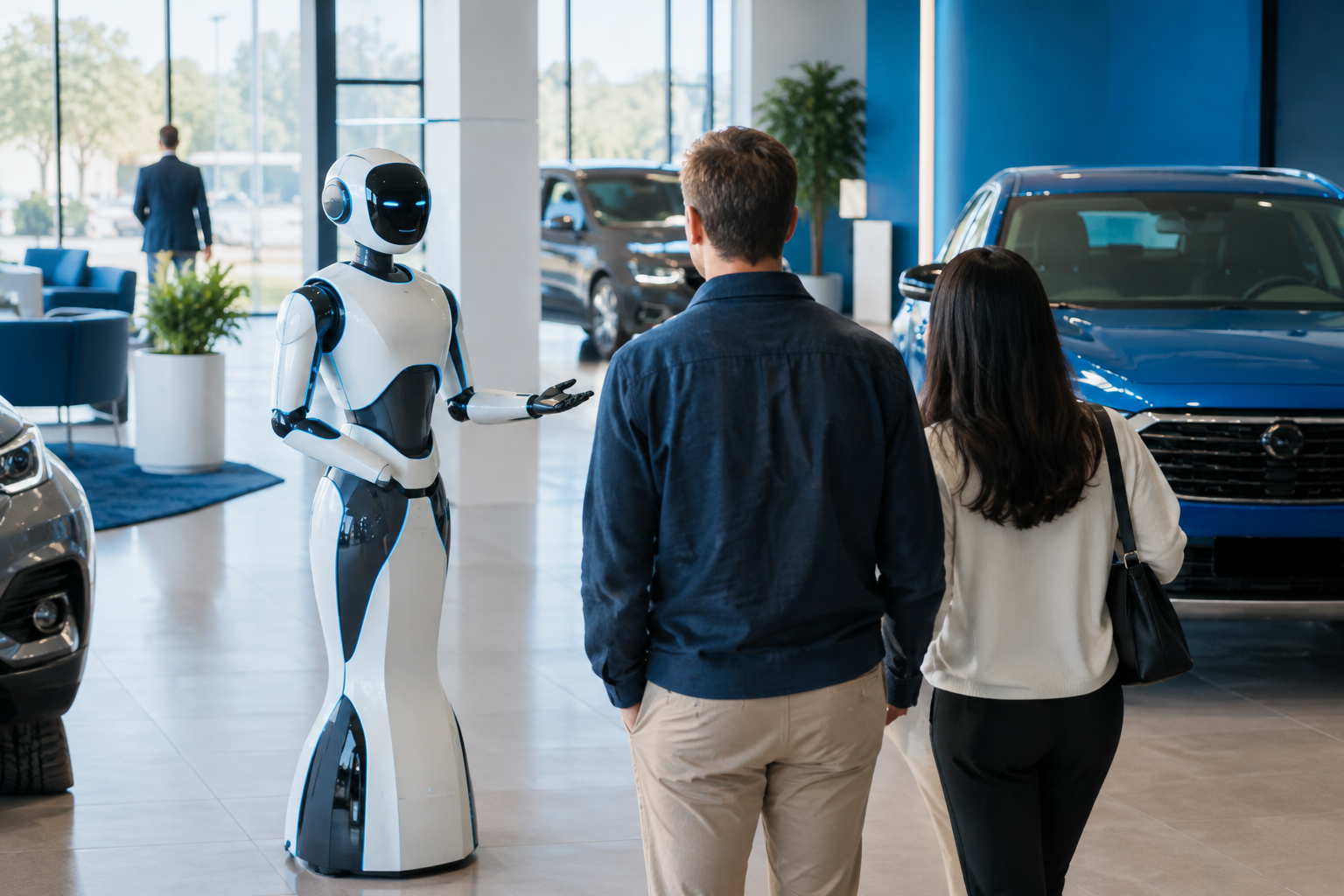
In the highly competitive automotive industry, car dealerships are constantly seeking ways to improve customer engagement and streamline operations. A car dealership AI assistant can be a game-changer, offering advanced solutions to meet these needs. By implementing AI technologies, dealerships can enhance customer interactions, streamline processes, and ultimately boost sales and customer satisfaction.
Car dealerships face unique challenges, from managing large inventories to providing personalized customer experiences. An AI assistant can address these challenges by automating routine tasks, offering real-time support, and providing data-driven insights. This not only improves efficiency but also allows sales teams to focus on building relationships with customers.
What to Look for in Automotive AI
When considering an AI assistant for your car dealership, there are several key features to look for:
- Omnichannel Support: An effective AI assistant should provide seamless support across multiple channels, including website chat, social media, and phone.
- Language Capabilities: With a diverse customer base, language support is crucial. A robust AI assistant should support multiple languages to cater to all customers.
- Integration with Existing Systems: The AI solution should easily integrate with your existing CRM and inventory management systems for a unified approach.
- Real-time Data Insights: Access to real-time data allows for informed decision-making and personalized customer interactions.
Where AssistFlow Fits
AssistFlow offers comprehensive solutions for the automotive industry through its Automotive AI. With omnichannel support, including website chat and WhatsApp AI chatbot, AssistFlow ensures that all customer interactions are streamlined and efficient. The platform supports over 150 languages, making it ideal for dealerships with a diverse clientele.
AssistFlow's AI solutions integrate seamlessly with existing dealership systems, providing a unified inbox for all customer interactions. This ensures that sales teams have all the information they need at their fingertips, leading to improved customer service and increased sales opportunities.
Enhancing Customer Engagement
An AI assistant can significantly enhance customer engagement by providing instant responses to inquiries, offering personalized recommendations, and scheduling test drives. This level of service ensures that customers receive the attention they need, leading to higher satisfaction and loyalty.
Moreover, AI assistants can analyze customer data to predict purchasing behavior, allowing dealerships to tailor marketing efforts and promotions to individual preferences. This data-driven approach can result in more effective sales strategies and increased revenue.
Streamlining Operations
Beyond customer engagement, AI assistants can streamline dealership operations by automating routine tasks such as appointment scheduling, inventory management, and follow-up communications. This automation reduces the workload on staff, allowing them to focus on more critical tasks and improving overall efficiency.
Additionally, AI can provide insights into inventory trends, helping dealerships manage stock levels more effectively and reduce costs associated with overstocking or understocking vehicles.
Improving Sales and Marketing Strategies
AI technology can revolutionize sales and marketing strategies by providing valuable insights into customer preferences and market trends. With this information, dealerships can create targeted marketing campaigns that resonate with their audience, leading to higher conversion rates.
Furthermore, AI can help identify upsell opportunities by analyzing customer interactions and purchase history, enabling sales teams to offer relevant products and services at the right time.
Concrete Implementation Steps for Integrating AI in Car Dealerships
Implementing an AI assistant in a car dealership involves several strategic steps to ensure a seamless transition and maximize the benefits of the technology. The first step is to clearly define the objectives and goals you wish to achieve with AI integration. This could range from improving customer engagement to streamlining operations or enhancing sales efforts.
Once objectives are set, the next step is to assess the existing technological infrastructure. It's crucial to ensure that the AI solution can integrate smoothly with current systems, such as CRM and inventory management platforms. This may require some preliminary updates or adjustments to existing software to facilitate seamless integration.
The third step involves selecting the right AI solution that aligns with the dealership's specific needs. This includes evaluating features such as omnichannel support, language capabilities, and real-time data insights. Once a suitable AI solution is chosen, the implementation process begins with setting up the system and training staff to use the new tools effectively. Training is a critical component, as it ensures that the team can leverage the AI assistant to its full potential, enhancing both customer interactions and internal processes.
Finally, continuous monitoring and evaluation are essential to measure the impact of the AI assistant. Dealerships should regularly review performance metrics and customer feedback to identify areas for improvement and make necessary adjustments. This ongoing process helps in refining strategies and achieving long-term success with AI technology.
Trade-offs and Mistakes to Avoid When Implementing AI
While integrating AI technology into a car dealership offers numerous benefits, there are also trade-offs and potential pitfalls to consider. One significant trade-off is the initial investment of time and resources required for successful implementation. Although the long-term benefits can outweigh the initial costs, dealerships must be prepared for the upfront commitment needed to set up and integrate AI systems effectively.
A common mistake to avoid is underestimating the importance of staff training. Without proper training, employees may struggle to use the AI tools efficiently, which can lead to suboptimal performance and missed opportunities. It is crucial to allocate sufficient resources for comprehensive training programs that empower staff to utilize AI capabilities fully.
Another potential pitfall is failing to align AI implementation with the dealership's overall business strategy. AI should not be seen as a standalone solution but rather as an integral part of a broader strategy to enhance customer service and operational efficiency. Ensuring that AI initiatives are closely aligned with business objectives will help in achieving desired outcomes.
Additionally, dealerships should be cautious of over-reliance on AI at the expense of human interaction. While AI can automate many tasks, maintaining a personal touch in customer interactions is still vital. Balancing AI automation with human engagement can lead to a more personalized and satisfactory customer experience.
FAQ
What is a car dealership AI assistant?
A car dealership AI assistant is a technology solution that uses artificial intelligence to enhance customer service, streamline operations, and provide data-driven insights for automotive businesses.
How can AI improve customer service in car dealerships?
AI can improve customer service by providing instant responses to inquiries, offering personalized recommendations, and automating routine tasks, leading to higher customer satisfaction and loyalty.
What are the key features of an effective automotive AI assistant?
Key features include omnichannel support, language capabilities, integration with existing systems, and real-time data insights to enhance customer engagement and streamline operations.
How does AssistFlow support car dealerships?
AssistFlow offers a comprehensive Automotive AI solution with omnichannel support, seamless integration, and language capabilities to enhance customer interactions and operational efficiency.
Can AI help with marketing strategies in car dealerships?
Yes, AI can provide valuable insights into customer preferences and market trends, enabling dealerships to create targeted marketing campaigns and identify upsell opportunities.
To explore how AssistFlow can transform your car dealership with AI technology, visit AssistFlow Automotive AI for more information.