What AI Solutions Are Available for Hotels to Enhance Customer Service?
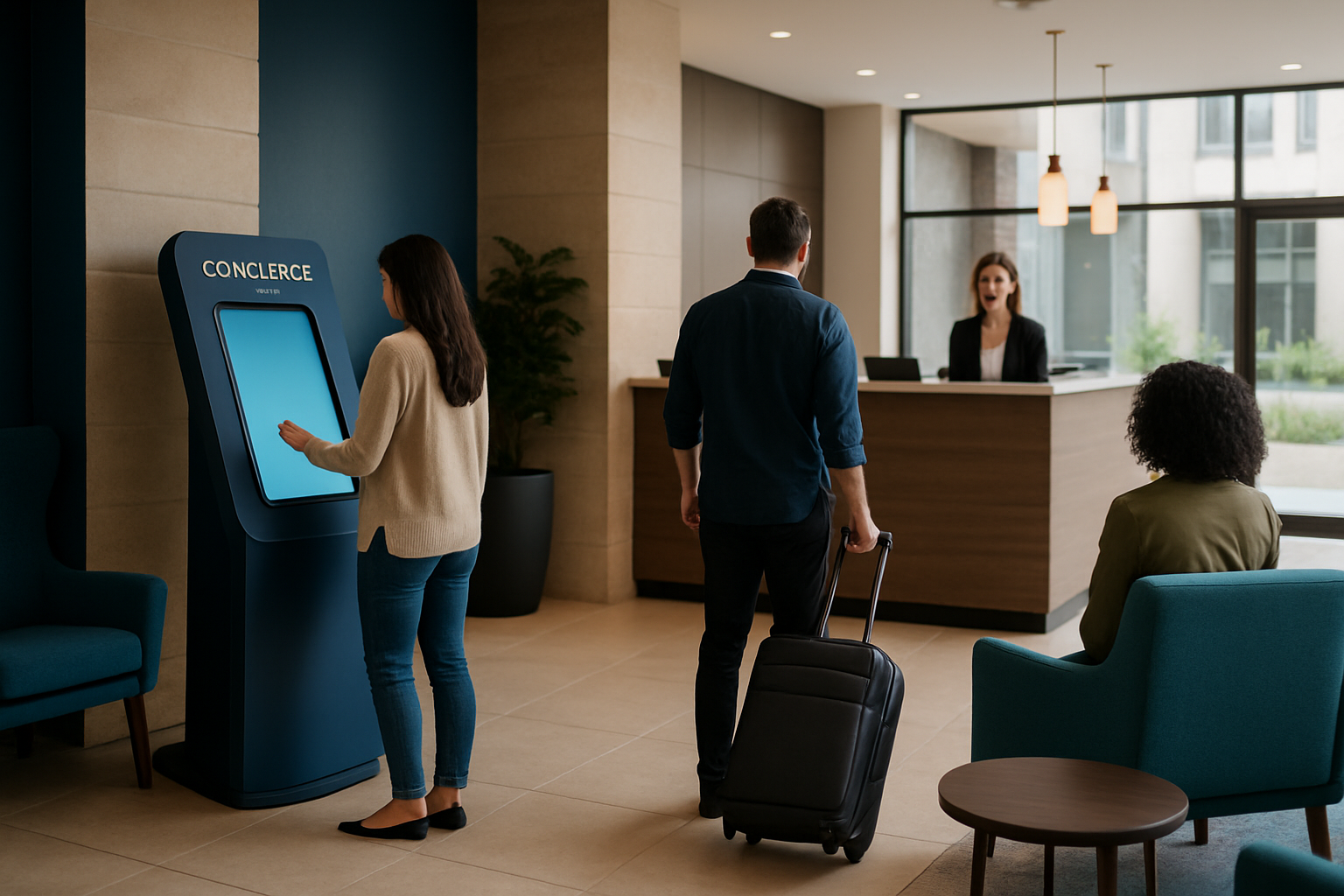
In the fast-paced world of hospitality, hotels are constantly seeking innovative ways to enhance customer service and improve guest satisfaction. AI solutions have emerged as a powerful tool in achieving these goals. From streamlining operations to personalizing guest experiences, AI technologies are transforming the hospitality industry. In this article, we'll explore the various AI solutions available for hotels to enhance customer service, including the capabilities offered by AssistFlow.
AI Solutions for Enhancing Hotel Customer Service
AI solutions for hotels can be broadly categorized into two main areas: customer-facing technologies and operational support systems. Customer-facing technologies include AI chatbots, voice assistants, and personalized recommendation engines. These tools help in providing instant responses to guest inquiries, managing bookings, and offering tailored suggestions for services and amenities.
Operational support systems, on the other hand, focus on optimizing back-end processes such as inventory management, predictive maintenance, and workforce scheduling. By leveraging AI, hotels can reduce operational costs and improve efficiency, ultimately leading to a better guest experience.
What to Look for in Hotel AI Solutions
When considering AI solutions for your hotel, there are several key factors to consider. First, look for platforms that offer seamless integration with your existing systems. This ensures a smooth transition and minimal disruption to your operations. Additionally, prioritize solutions that provide robust data analytics capabilities, allowing you to gain valuable insights into guest preferences and behavior.
It's also important to choose AI solutions that offer multilingual support, especially if your hotel caters to an international clientele. Finally, consider the scalability of the solution, ensuring it can grow with your business and adapt to changing needs.
Where AssistFlow Fits
AssistFlow offers a comprehensive Hotel AI solution designed to enhance customer service in the hospitality industry. With capabilities spanning website chat, WhatsApp, and other channels, AssistFlow provides a unified platform for managing guest interactions. The AI-powered chatbots can handle inquiries, bookings, and more, freeing up staff to focus on personalized guest experiences.
In addition, AssistFlow supports over 150 languages, making it an ideal choice for hotels with diverse guest demographics. By integrating with popular commerce platforms like Shopify and Wix, AssistFlow ensures a seamless experience for both guests and staff.
Benefits of AI in the Hospitality Industry
The implementation of AI in the hospitality industry offers numerous benefits. AI solutions can significantly enhance the guest experience by providing personalized recommendations and instant assistance. This leads to higher guest satisfaction and increased loyalty.
Moreover, AI-driven analytics provide hotels with valuable insights into guest preferences and behavior, enabling more targeted marketing strategies. Operationally, AI helps in optimizing resource allocation, reducing costs, and improving efficiency.
Challenges in Implementing AI in Hotels
While the benefits of AI are clear, implementing these technologies in hotels comes with its own set of challenges. One of the primary concerns is data privacy and security. Hotels must ensure that guest data is handled securely and in compliance with relevant regulations.
Another challenge is the initial investment required for AI solutions. While the long-term benefits often outweigh the costs, hotels must carefully evaluate their budget and resources before embarking on AI initiatives. Lastly, staff training and change management are crucial to ensure a smooth transition and successful adoption of AI technologies.
Future Trends in Hospitality AI
The future of AI in hospitality looks promising, with advancements in machine learning and natural language processing paving the way for more sophisticated solutions. We can expect to see AI playing a larger role in personalizing guest experiences, from tailored room settings to customized service offerings.
Additionally, the integration of AI with IoT devices will further enhance operational efficiency, allowing hotels to predict maintenance needs and optimize energy consumption. As AI technologies continue to evolve, hotels that embrace these innovations will be well-positioned to thrive in an increasingly competitive market.
Concrete Implementation Steps for AI Solutions in Hotels
Implementing AI solutions in a hotel setting involves several strategic steps to ensure successful integration and operation. Initially, hotels should conduct a comprehensive assessment of their current systems and identify specific areas where AI can provide the most value. This involves understanding guest interactions, operational bottlenecks, and areas with potential for automation and personalization.
Once the assessment is complete, the next step is to select AI platforms that align with the hotel's existing infrastructure. This requires evaluating vendors based on their ability to integrate seamlessly with current hotel management systems and their support for multilingual interactions, especially for hotels with a diverse clientele.
After selecting the right AI solution, hotels should focus on staff training and change management. Employees need to be well-versed in using new technologies to maximize their benefits. Training sessions and workshops should be organized to familiarize staff with AI tools, ensuring they understand how to leverage these technologies to enhance guest experiences.
Finally, continuous evaluation and optimization are crucial. Hotels should regularly review AI performance metrics and guest feedback to make necessary adjustments and improvements. This iterative process helps in refining AI applications and aligning them with evolving guest expectations.
Trade-offs and Mistakes to Avoid When Implementing AI in Hotels
While AI can revolutionize hotel operations and guest experiences, there are trade-offs and potential mistakes that hoteliers should be aware of. One common trade-off is between automation and personalization. While AI can automate routine tasks, over-reliance on technology might lead to a loss of personal touch, which is often crucial in hospitality. Therefore, it's important to strike a balance, using AI to handle repetitive tasks while allowing staff to focus on personalized guest interactions.
Avoiding mistakes in data management is also critical. AI systems rely heavily on data, and inaccurate or incomplete data can lead to poor decision-making and guest dissatisfaction. Hotels must ensure they have robust data collection and management practices in place to feed accurate information into AI systems.
Another mistake to avoid is underestimating the importance of cybersecurity. As AI systems handle sensitive guest data, hotels must implement strong security measures to protect against data breaches and ensure compliance with privacy regulations.
Lastly, hotels should avoid implementing AI solutions without a clear strategy and measurable goals. It's essential to have a clear understanding of what the AI system is expected to achieve and how success will be measured. This helps in aligning AI initiatives with broader business objectives and ensures a return on investment.
FAQ
What are the main benefits of AI in hotels?
AI in hotels offers benefits such as enhanced guest experiences through personalized services, improved operational efficiency, cost savings, and valuable insights into guest behavior and preferences.
How can AI chatbots improve hotel customer service?
AI chatbots provide instant responses to guest inquiries, manage reservations, and offer personalized recommendations, freeing up staff time and improving overall guest satisfaction.
What challenges do hotels face when implementing AI?
Challenges include ensuring data privacy and security, managing the initial investment costs, and training staff to effectively use AI technologies.
Is AssistFlow suitable for international hotels?
Yes, AssistFlow supports over 150 languages, making it an excellent choice for hotels serving a diverse, international clientele.
How does AI contribute to operational efficiency in hotels?
AI optimizes resource allocation, predicts maintenance needs, and improves workforce scheduling, leading to reduced operational costs and enhanced efficiency.
To explore how AssistFlow can transform your hotel's customer service, visit our Hotel AI page and discover the possibilities.