Enhancing Klinik Operations with AI Customer Service Solutions
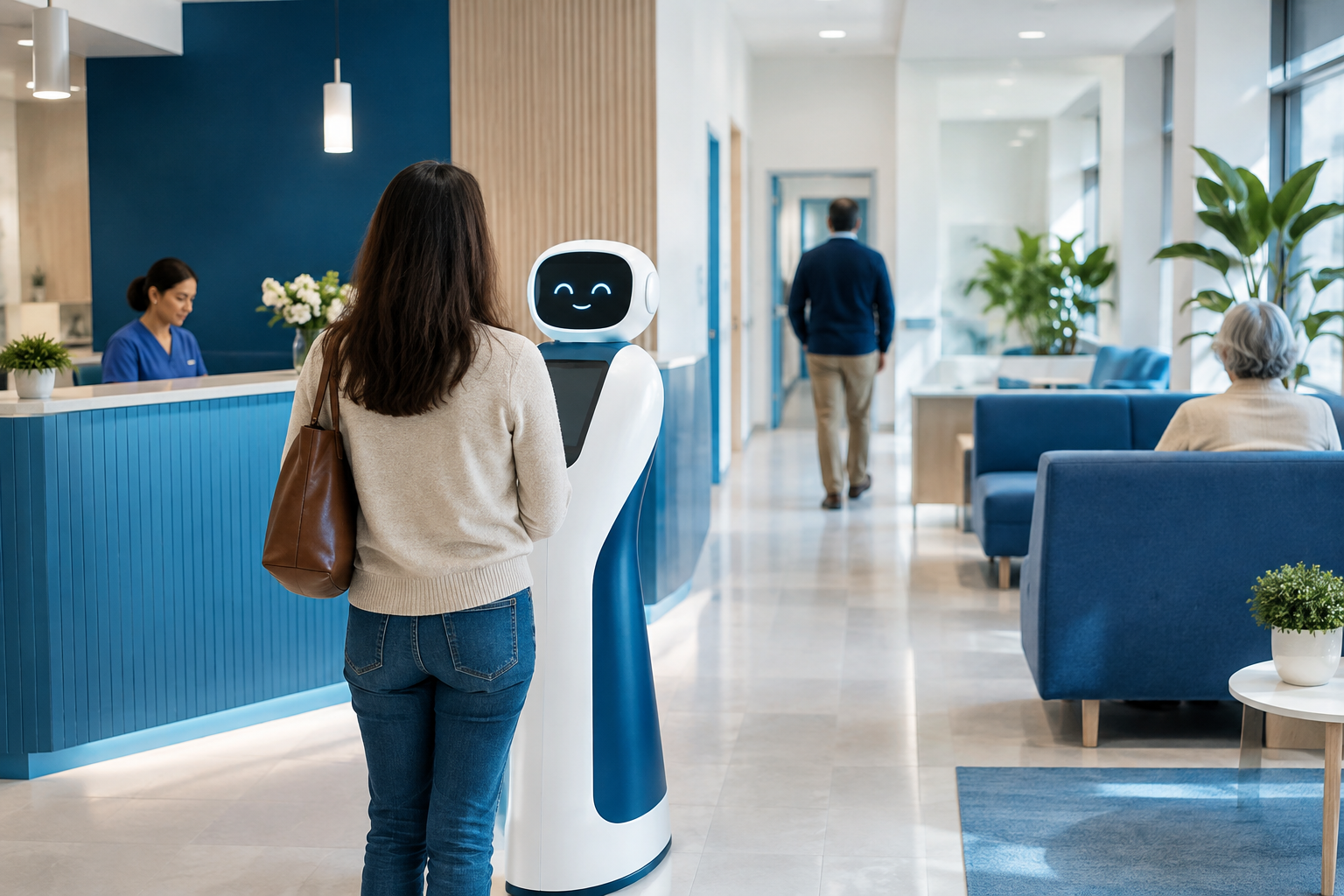
In the rapidly evolving landscape of healthcare, clinics are increasingly turning to AI customer service solutions to enhance patient care and streamline operations. AI technologies offer clinics the ability to automate routine tasks, improve patient interactions, and ultimately provide a higher standard of care. This article explores how AI customer service can be effectively implemented in clinics, focusing on the capabilities of AssistFlow in this domain.
Understanding AI Customer Service in Clinics
AI customer service in clinics refers to the use of artificial intelligence technologies to manage and improve patient interactions and administrative processes. These solutions can handle a variety of tasks, from scheduling appointments and managing patient inquiries to providing personalized health information. By automating these processes, clinics can reduce wait times, improve patient satisfaction, and free up staff to focus on more complex tasks that require human intervention.
Key Features of AI Customer Service for Clinics
1. Automated Appointment Scheduling
AI systems can handle appointment scheduling, reducing the need for manual input and minimizing errors. Patients can book, reschedule, or cancel appointments through AI-powered chatbots, which operate 24/7, providing flexibility and convenience.
2. Patient Inquiry Management
AI customer service tools can manage a wide range of patient inquiries, from general information requests to specific medical questions. By using natural language processing, these systems can understand and respond to queries in real-time, enhancing patient engagement and satisfaction.
3. Personalized Health Information
AI can provide patients with personalized health information based on their medical history and current conditions. This capability not only empowers patients with knowledge but also helps them make informed decisions about their health.
Benefits of AI Customer Service in Klinik Operations
Implementing AI customer service in clinics offers numerous benefits. It enhances operational efficiency by automating routine tasks, thus reducing administrative burdens. Clinics can also improve patient care by providing timely and accurate information, which is crucial for patient satisfaction and retention. Additionally, AI systems can handle a high volume of interactions simultaneously, ensuring that all patient queries are addressed promptly.
Where AssistFlow Fits
AssistFlow offers an advanced AI customer service platform that is particularly well-suited for clinics. With its omnichannel capabilities, AssistFlow integrates seamlessly with various communication platforms, ensuring that all patient interactions are consolidated into a single, unified inbox. This feature allows clinics to manage communications efficiently and provide consistent patient experiences across different channels. For more details, visit the AssistFlow website.
How to Implement AI Customer Service in Your Klinik
Implementing AI customer service in a clinic involves several steps. First, clinics should assess their current processes and identify areas that could benefit from automation. Next, selecting the right AI platform, such as AssistFlow, is crucial. This platform should offer features that align with the clinic's needs, such as appointment scheduling and patient inquiry management. Once implemented, it's important to train staff on how to use the new system effectively and continuously monitor its performance to ensure it meets the clinic's objectives.
Concrete Implementation Steps for AI Customer Service in Clinics
Implementing AI customer service in a clinic is a strategic process that requires careful planning and execution. The first step is to conduct a comprehensive assessment of the clinic's current operations. This involves identifying repetitive tasks and processes that could benefit from automation, such as appointment scheduling, patient inquiries, and information dissemination. Understanding these workflows will help in selecting the most appropriate AI solutions.
Once potential areas for improvement are identified, the next step is to research and select an AI platform that aligns with the clinic's specific needs. It's crucial to choose a platform that offers robust features like natural language processing for handling patient inquiries and secure data management to protect patient information. AssistFlow, for instance, provides a comprehensive suite of tools tailored for healthcare environments.
After selecting the platform, clinics should focus on integration. This involves configuring the AI system to work seamlessly with existing software and communication channels. Training staff is another critical step, as they need to understand how to interact with the AI system effectively and how to interpret its outputs. Finally, clinics should establish metrics to monitor the AI system's performance, such as patient satisfaction scores and response times, to ensure that it meets the desired objectives.
Trade-offs and Mistakes to Avoid When Implementing AI in Clinics
While AI offers numerous benefits, there are trade-offs and potential pitfalls that clinics should be aware of to ensure a successful implementation. One of the most significant trade-offs is the initial cost of adopting AI technology. Although the long-term benefits such as increased efficiency and patient satisfaction can offset these costs, clinics must be prepared for the upfront investment.
Another consideration is the balance between automation and human interaction. While AI can handle many tasks, it is essential to recognize its limitations. Complex medical inquiries and empathetic patient interactions may still require human involvement. Clinics should ensure that the AI system can seamlessly escalate such issues to human staff when necessary.
Mistakes to avoid include inadequate staff training and failing to monitor the AI system's performance. Without proper training, staff may not fully utilize the AI's capabilities, leading to suboptimal outcomes. Additionally, continuous monitoring and adjustment are crucial to ensure that the AI system adapts to evolving clinic needs and continues to deliver value.
Finally, clinics should avoid underestimating the importance of data security. Ensuring that the AI system complies with all relevant regulations and standards for patient data protection is critical to maintaining trust and avoiding potential legal issues.
FAQ
How does AI improve patient care in clinics?
AI improves patient care by providing timely, accurate responses to inquiries, automating routine tasks, and offering personalized health information. This leads to better patient satisfaction and more efficient clinic operations.
What are the cost implications of implementing AI in clinics?
While there is an initial investment in AI technology, the long-term benefits include reduced operational costs, increased efficiency, and improved patient satisfaction, which can lead to higher revenue.
Can AI handle complex medical inquiries?
AI can manage many inquiries, but complex medical questions may require human intervention. AI systems like AssistFlow can seamlessly route such queries to human experts when necessary.
Is AI customer service secure for handling patient data?
Yes, AI platforms like AssistFlow prioritize data security, ensuring that patient information is handled in compliance with relevant regulations and standards.
How can clinics measure the success of AI customer service?
Clinics can measure success through key performance indicators such as patient satisfaction scores, reduction in wait times, and efficiency in handling patient interactions.
In conclusion, AI customer service represents a transformative opportunity for clinics to enhance patient care and operational efficiency. By leveraging platforms like AssistFlow, clinics can ensure they remain at the forefront of healthcare innovation. To explore how AssistFlow can support your clinic, contact us for a demo today.